



Saint Francis Walking Tour, Assisi, Italy 2019
Saint Francis Walking Tour in Assisi was a deliberate departure from our Starseed Adventures. I am not religious, yet I chose Saint Francis from a short list of teachers whose lives embodied a steady, unmistakable compassion. In Four Aliens and a Funeral: A Memoir of Perception, I described a Stargate encounter during my Crystal Adventure—an unexpected meeting with a Starbeing whose complete emanation of compassion set me on a quest to understand that quality of wisdom. When an Italian client invited me to join her in Italy, I asked if I could offer a walking tour to learn more about Saint Francis and what shaped his life toward compassion.
What unfolded was far more than a historical overview of Saint Francis. It became an experiential walkabout into compassion itself. Into sacred geography, and the layered intelligence held within ancient places.
My learning has always come through movement, or more precisely, through walking. As the Greek philosopher Diogenes of Sinope expressed: Solvitur Ambulando — “It is solved by walking.” What follows is the story of how Assisi opened itself to me, and how moving through its sacred landscape grounded understanding of the spirit of the land.
This account shares what I encountered beyond the guidebooks—the subtle presence of water beneath the city, the enduring feminine thread woven through the Temple of Minerva, and the quiet revelations that expanded my sense of a heart’s deeper capacities.
Walking Into Assisi: A City Built on Water, Stone, and Memory
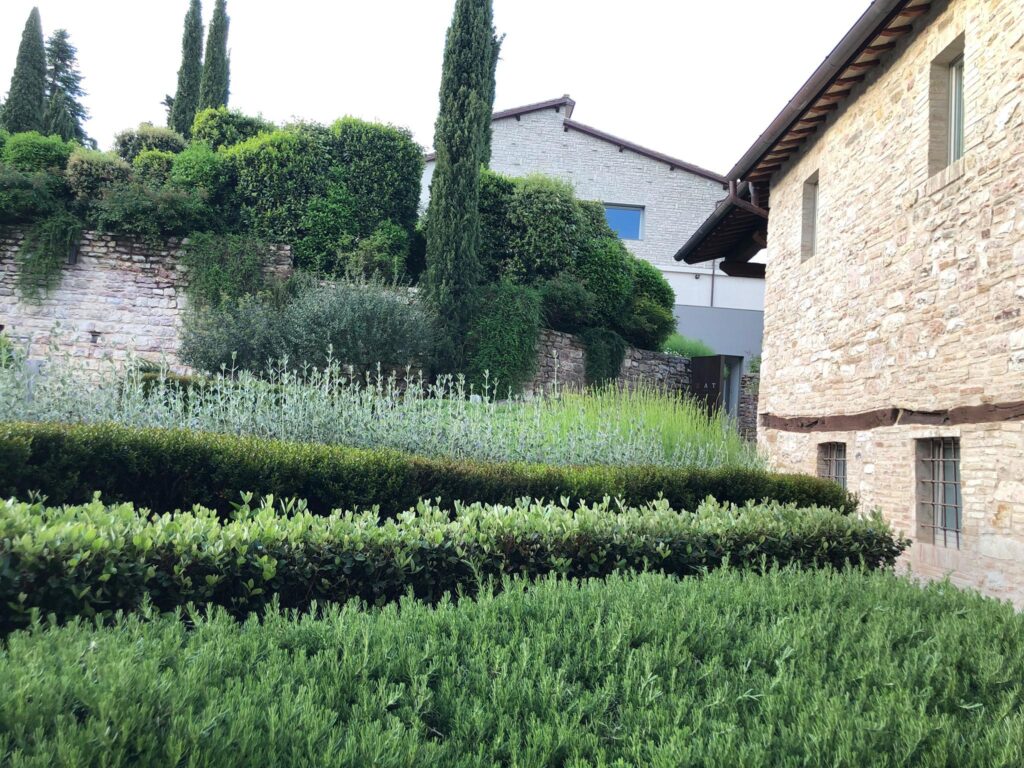
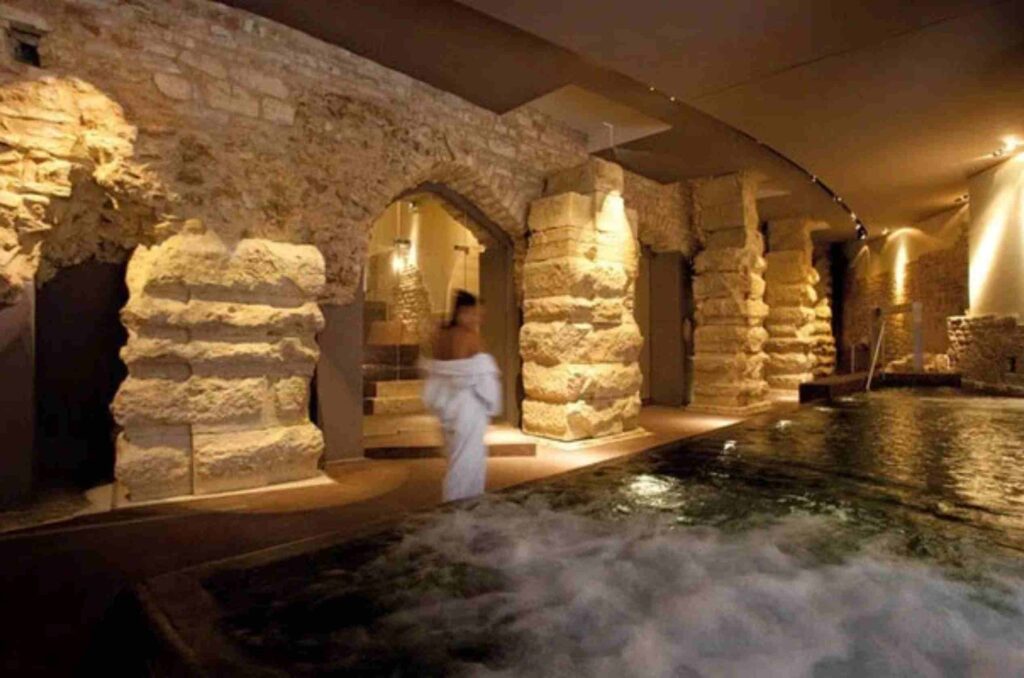
We arrived in Assisi late at night, unaware that Nun Relais—a former 13th‑century monastery—held ancient thermal pools beneath its floors. We wouldn’t discover that until after the Saint Francis walking tour. What I felt immediately, even in the dark, was water beneath me. A pulse. A feminine presence moving through the land.
The Feminine Thread Within the Saint Francis Walking Tour
The next morning, as we entered Assisi through the Porta Nuova arch, the layers of time rose to meet me. The medieval stone beneath my feet carried centuries of footsteps, yet underneath it all, I sensed the quiet movement of water, an ancient spring still alive beneath the town. A seashell embedded in the limestone wall caught my attention, a small but potent reminder that this hilltop city was once shaped by the pressure of a primordial sea.
Assisi revealed itself in strata:
Roman foundations beneath churches.
Cisterns holding the memory of springs.
The unmistakable presence of the divine feminine moving through every step.
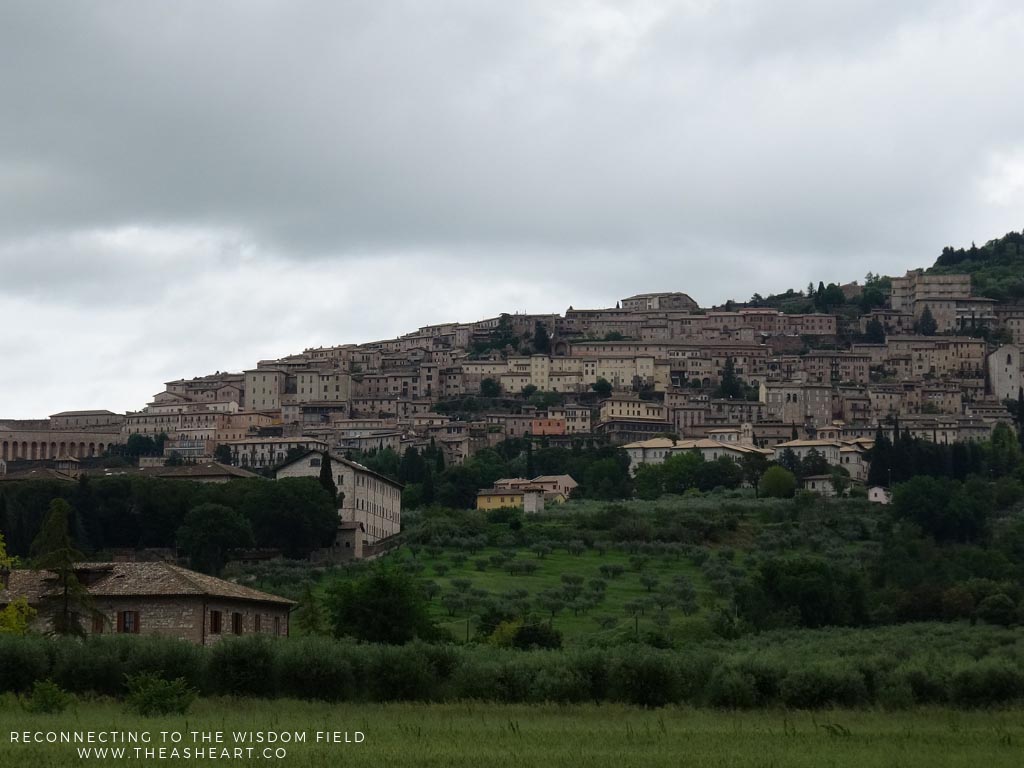
The city stretches along the lower slope of Mount Subasio, its spine running southeast to northwest, bookended by two basilicas that rise like guardians of time. The sun’s path traced the rhythm of the town, rising over Subasio, warming the stone walls, spilling into the valley to ignite the seeds below, and setting in a wash of gold over the Umbrian countryside.
Before I understood why, the land itself was guiding me.
Saint Francis Walking Tour: Mapping Assisi Through Perception
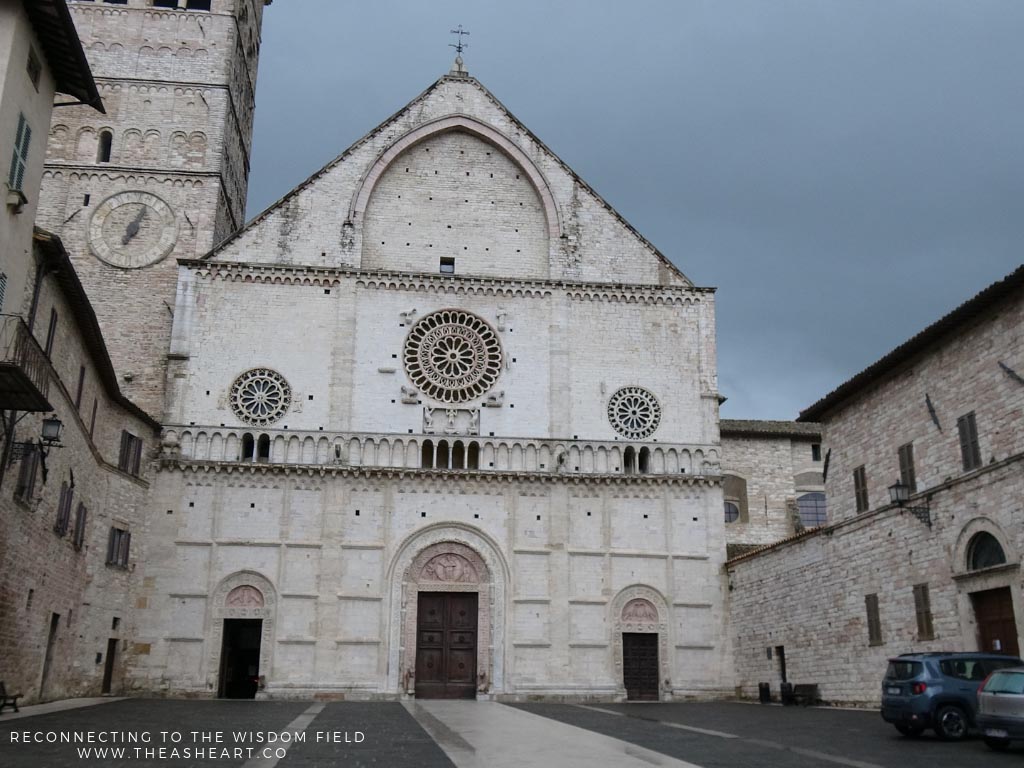
While others focused on the churches, I found myself drawn to the bones of the city. Our first stop was the Basilica of Saint Clare, built from the soft pink and white limestone quarried from Mount Subasio. As the feminine counterpart to Francis, her presence anchors the eastern side of Assisi.
The feminine holds the artifact that sparked his compassion and strengthened his resolve to follow the instructions he was given. Inside the Basilica of Saint Clare, the San Damiano Cross is found, the very cross that is said to have awakened Francis.
From there, in the Cathedral of San Rufino, while the group gathered around the baptismal font once used by both Francis and Clare, I was pulled toward the exposed Roman foundations and the ancient cisterns below. In that quiet space, I felt as if the water, the feminine, and the land itself were speaking.
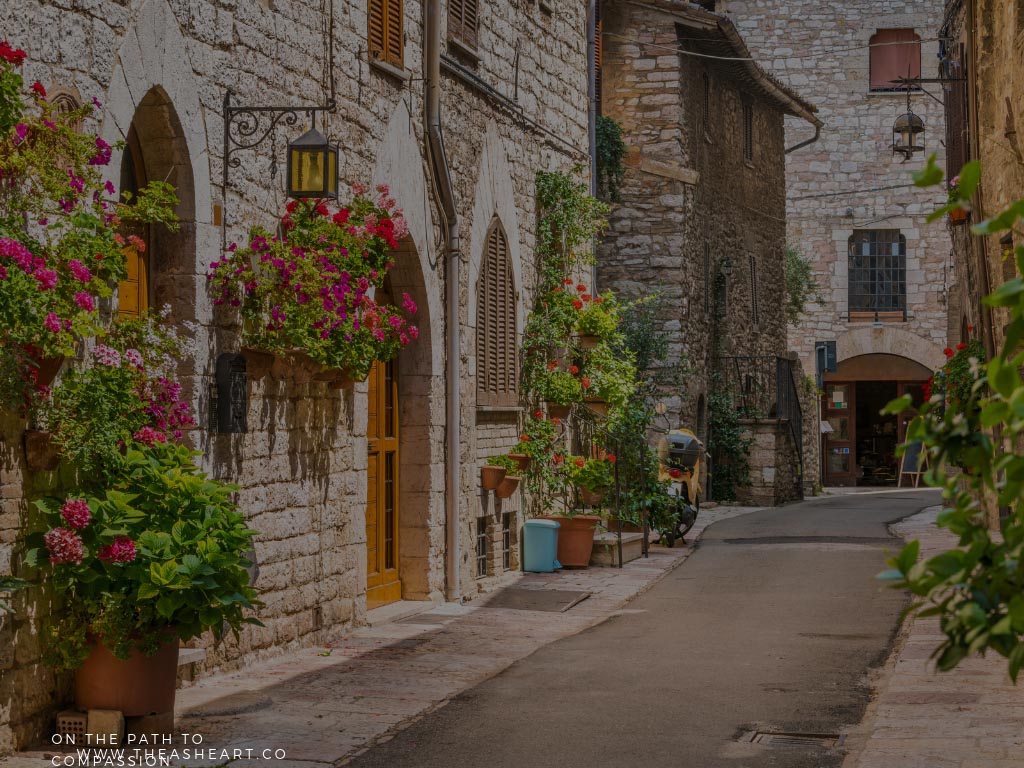
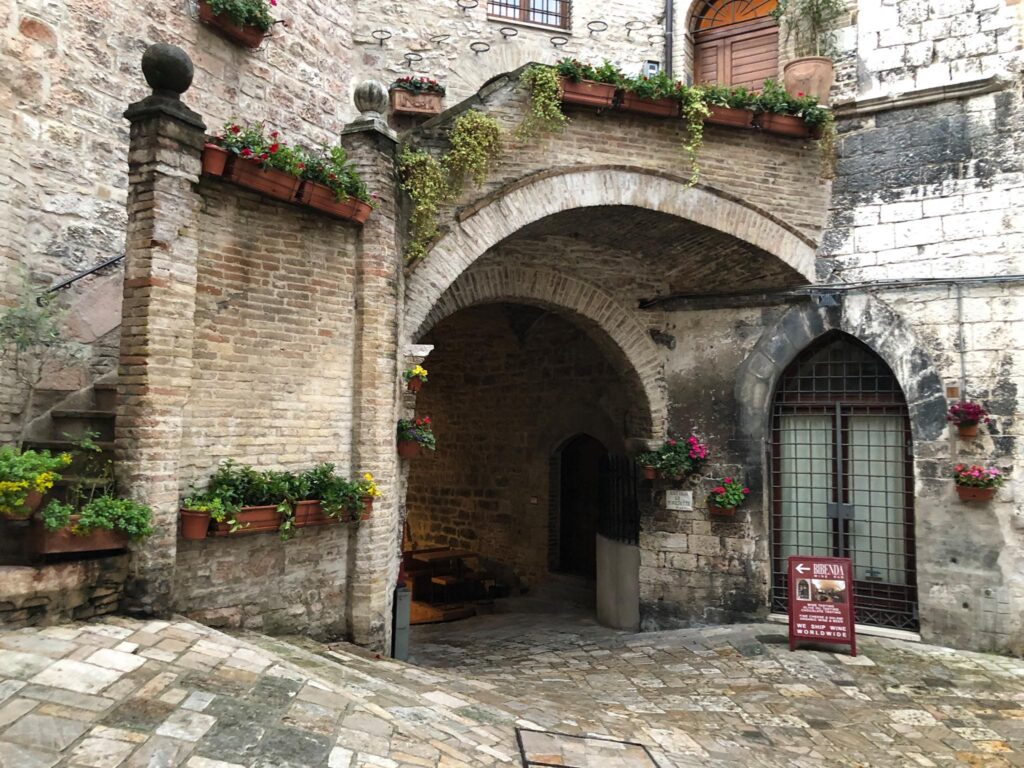
Assisi, like most European cities, carries its history in visible layers. Medieval arches sit atop Roman foundations, and older stones are folded into newer walls without ceremony. As we walked, I simply noticed the balance of it all — how each era left its mark without erasing the one before. Nothing dramatic, just the quiet continuity of a place that has been lived in for a very long time.
The Temple of Minerva and the Ancient Heart of Assisi
Arrival in the Piazza
We continued walking through the old city of Assisi toward Piazza del Comune, the central plaza. When we arrived, our guide pressed herself against the wall of a small shop and asked the group to gather for a brief question‑and‑answer stop.
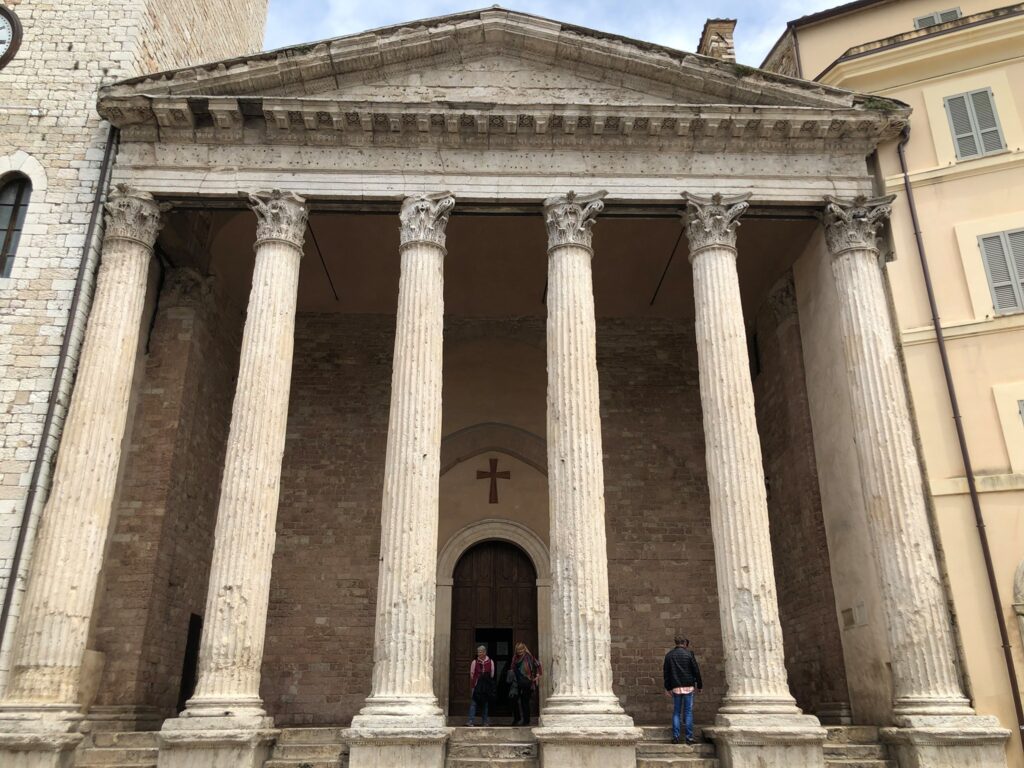
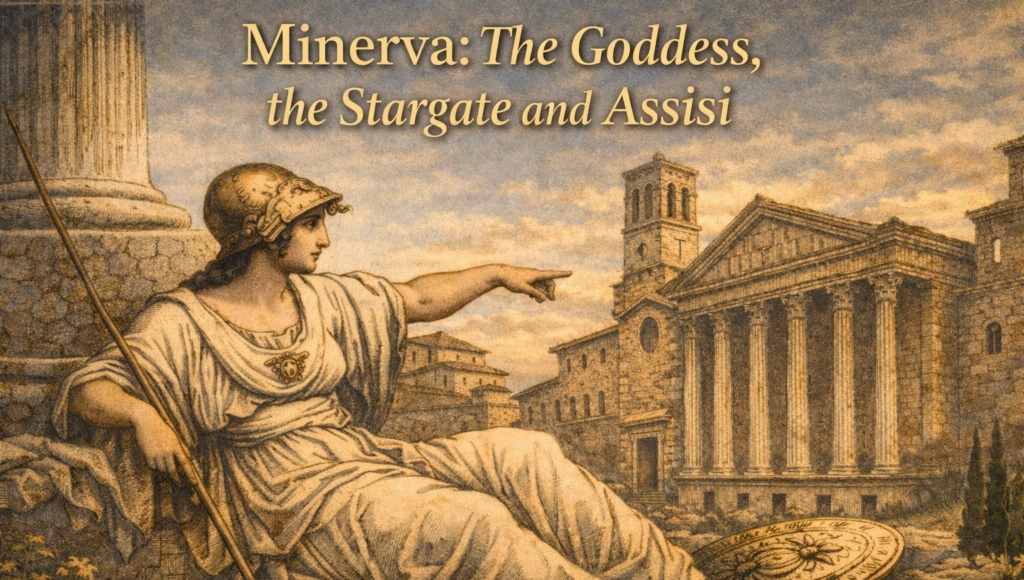
After everyone’s questions had been addressed, I offered my off‑topic inquiry. I asked whether she could recommend a book on the antiquity of the area, mentioning my interest in the goddess. She didn’t have a title to offer, but she did something else. Turning me around, she pointed across the plaza to the Temple of Minerva, its façade of six Corinthian columns still supporting the architrave and pediment.
The Temple and the Presence Beneath It
Seeing the temple was astonishing, not because I knew anything about it, but because the feeling I had carried since arrival suddenly had a physical form. The presence wasn’t in the columns; it was in the land. The temple was simply where that presence had been honored through time.
My eyes widened. “And the spring?”
This is where the confusion began. She explained that a Roman forum once stood in front of the temple, its outline now marked in white on the pavement. But a forum is a raised platform for civic life, not a source of water. And what I was sensing in the square was unmistakably water.
Searching for the Spring
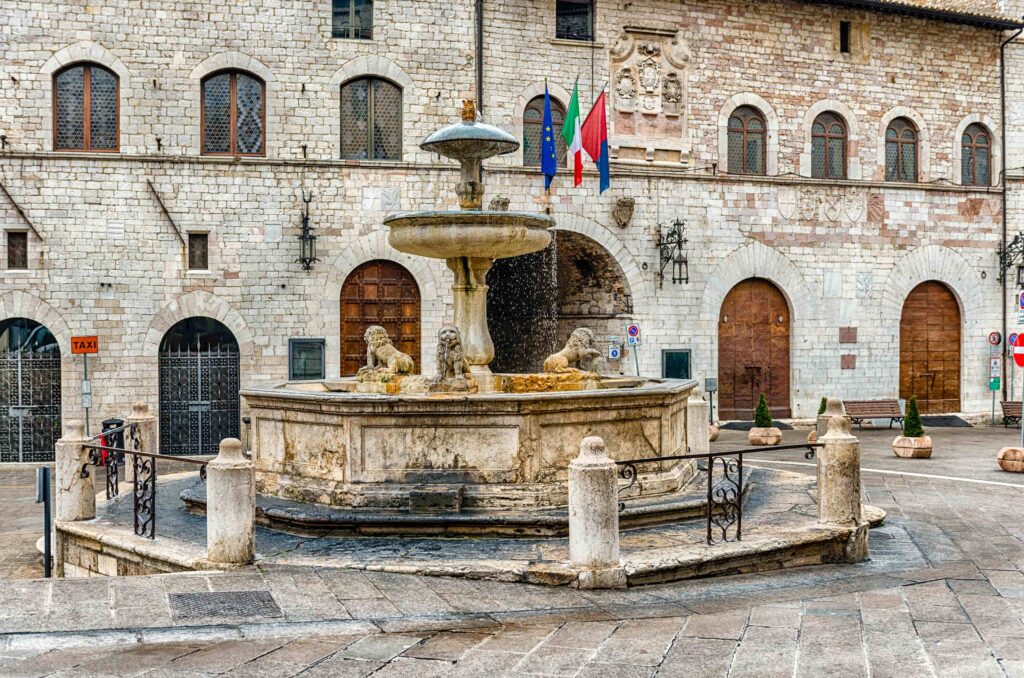
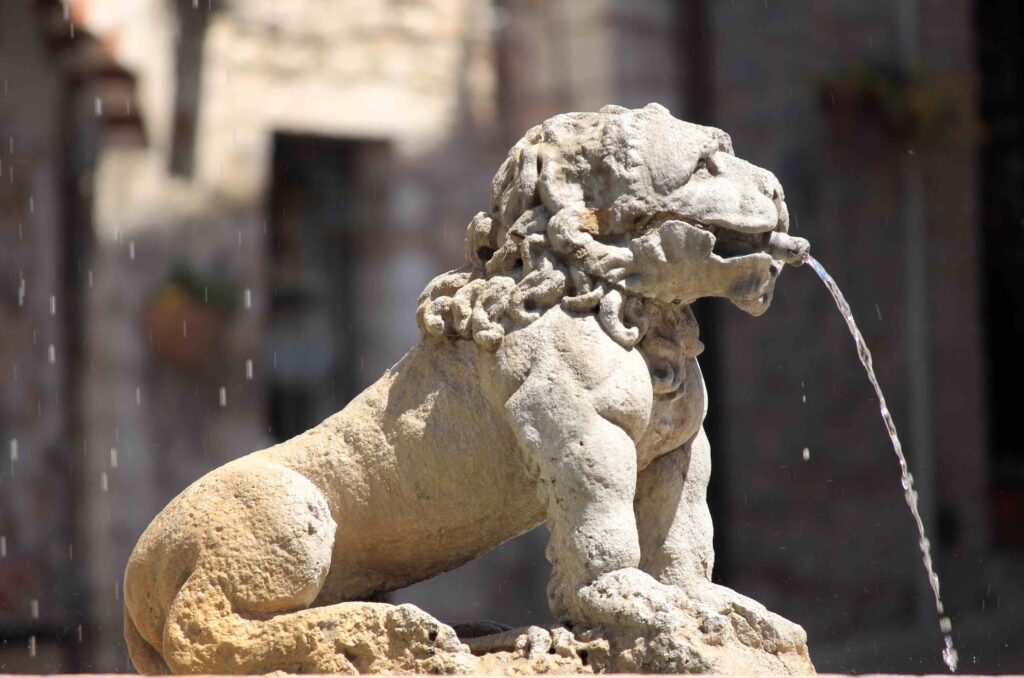
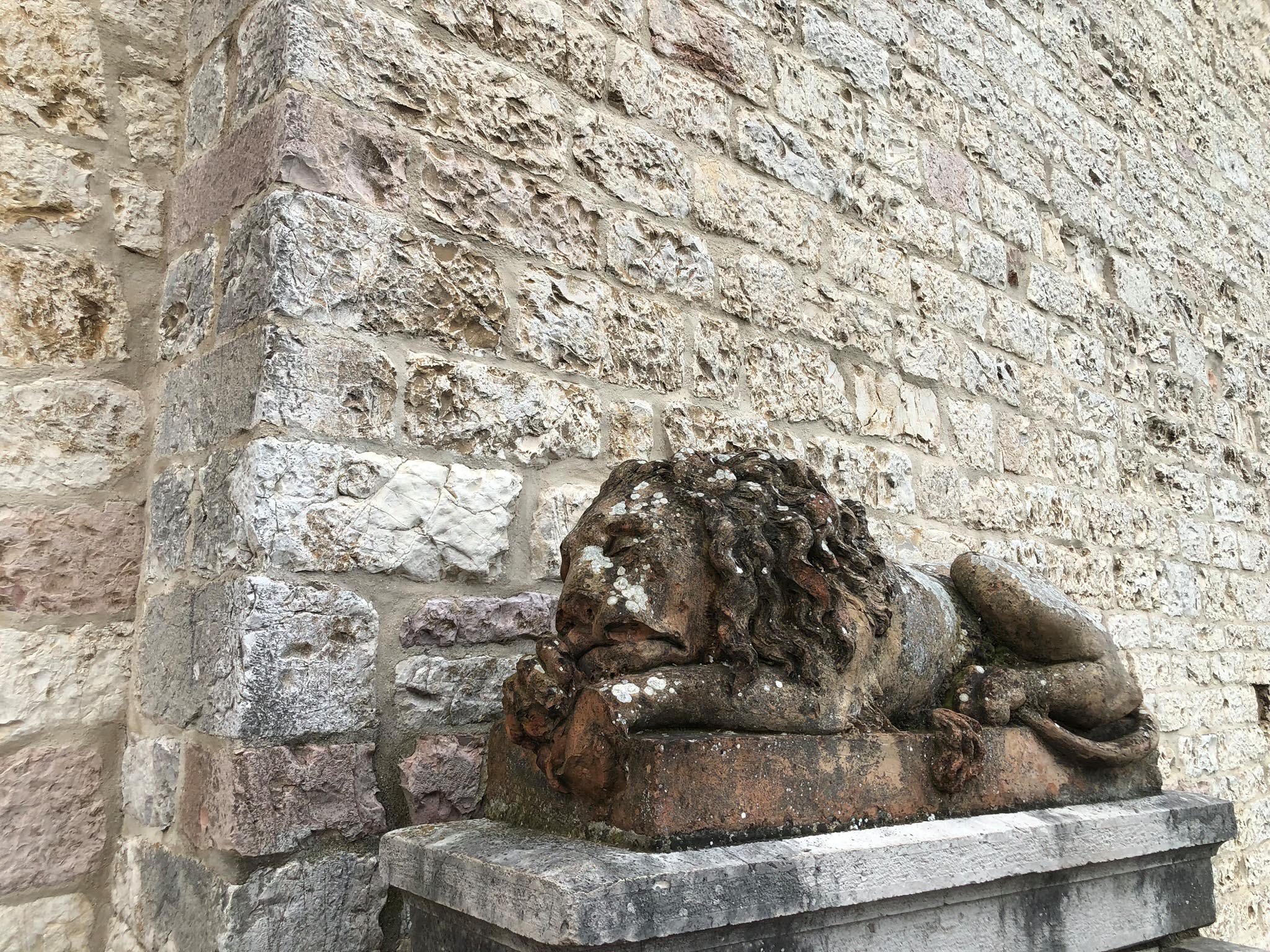
Seeing my confusion, she pointed instead to the fountain on the opposite side of the piazza — Fontana dei Tre Leoni, a three‑tiered stone basin topped with an inverted bowl and pinecone, supported by three seated lions. One lion holds a plaque marking the fountain’s construction in 1762. The symbolism didn’t escape me, but I wasn’t asking about symbols. I was asking about the drinkable spring.
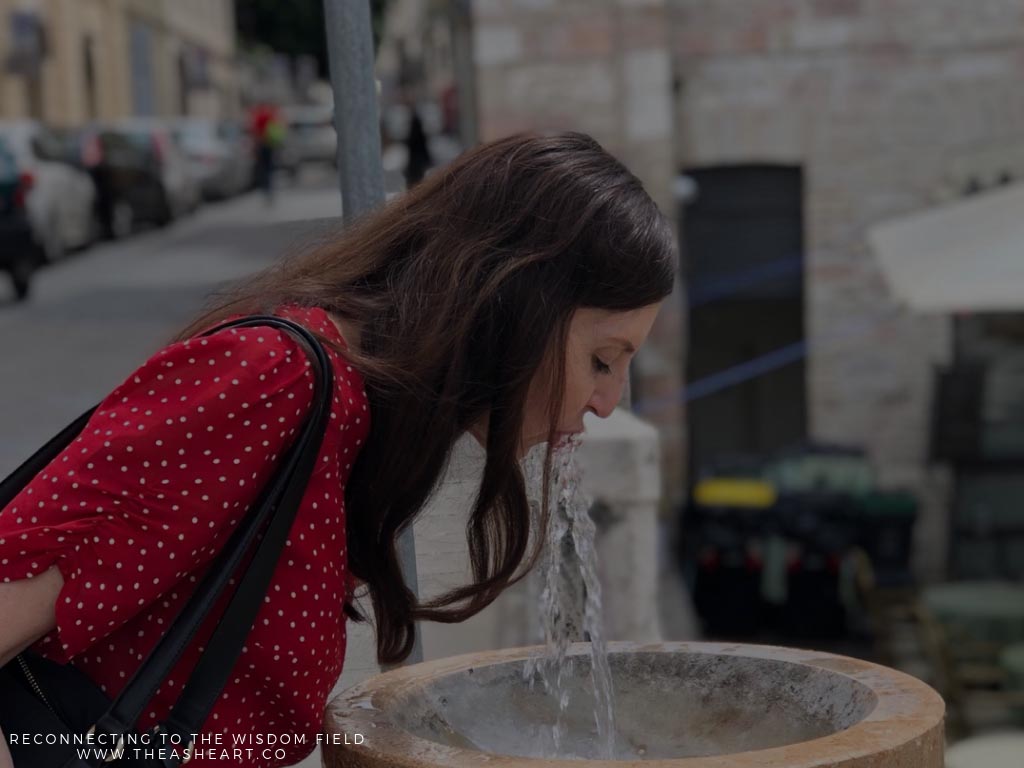
She understood. From where we stood, the small public drinking fountain was hidden behind café umbrellas and the movement of the crowd. She told me to walk around the lion fountain and I’d see it immediately. “Hurry,” she added.
Slipping into the crowd to find the spring, I took a long drink from the water I had been sensing since arrival.
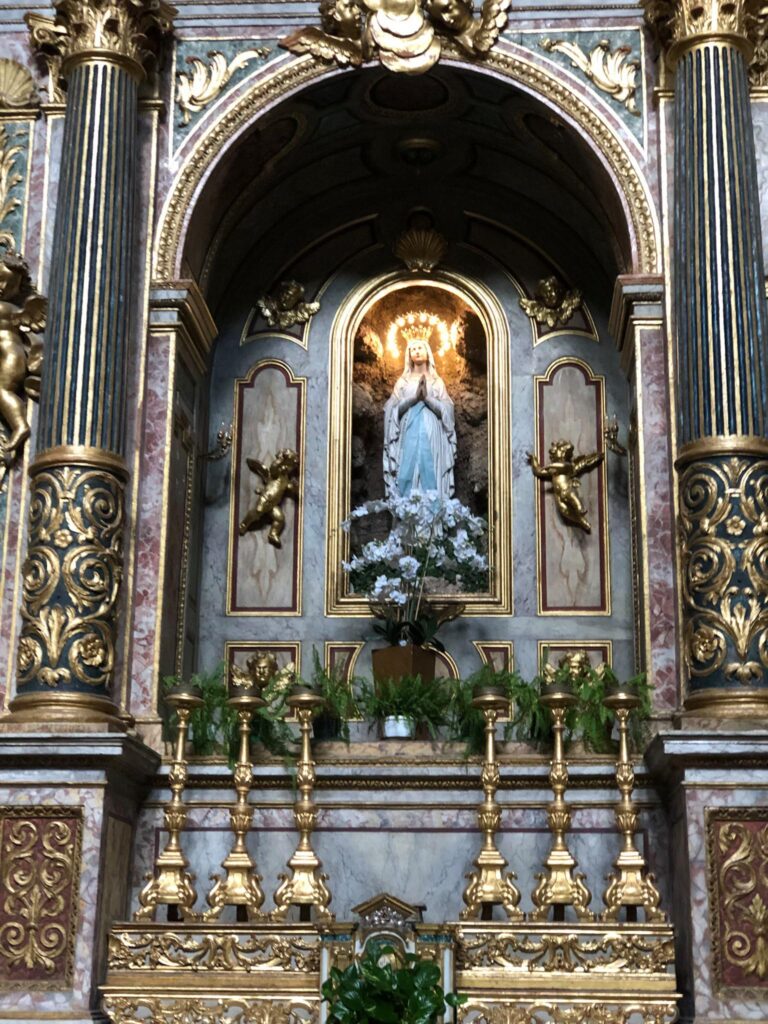
As I looked back across the piazza, noticing the fountain adorned with three lions, I began to connect the feeling of water to the location of the spring. I wanted to continue exploring, but I was unable to enter the Roman Temple of Minerva; a service was underway. Built in the 1st century BCE and converted in the 16th century into a Christian church dedicated to Mary, it is now known as Santa Maria sopra Minerva — Saint Mary above Minerva.
Walking the Saint Francis Path: Descent to the Basilica
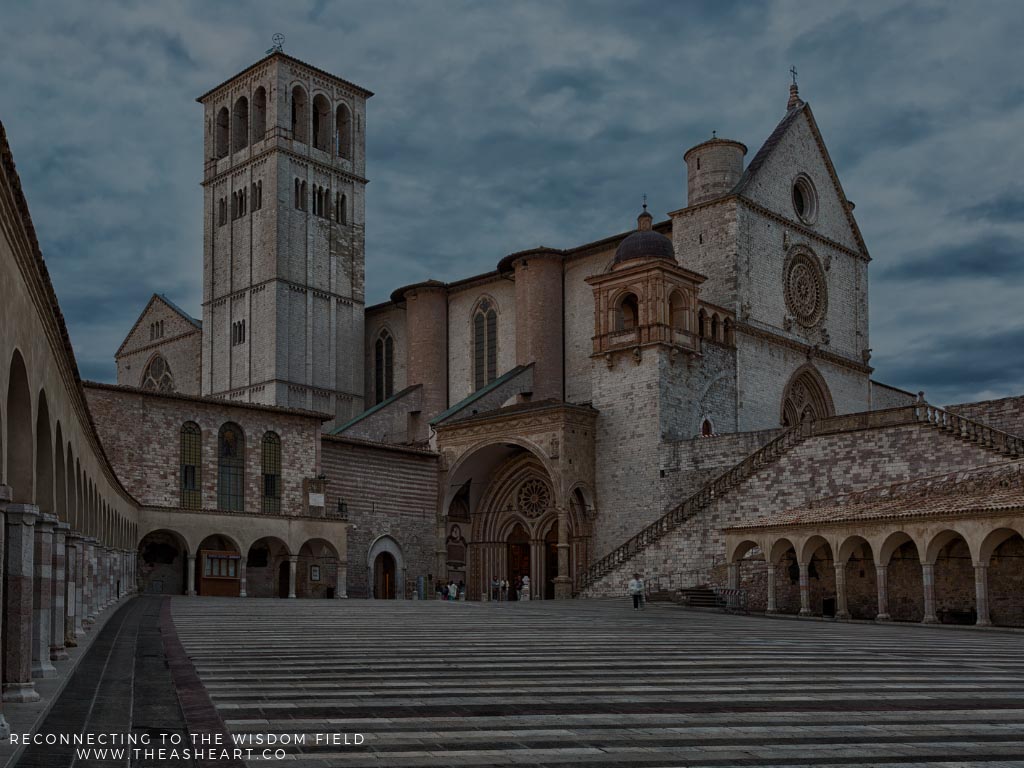
After leaving the piazza, we walked toward the Basilica di San Francesco. The shift was immediate. The energy grew heavier as we descended into the lower level and entered the crypt where his remains are kept.
What stood out to me wasn’t the relics but the older stone altar beneath him. It was a reminder that sacred sites are often rewritten over older ones. I didn’t have the history then, but the feeling was clear: this place carried layers that weren’t entirely harmonious.
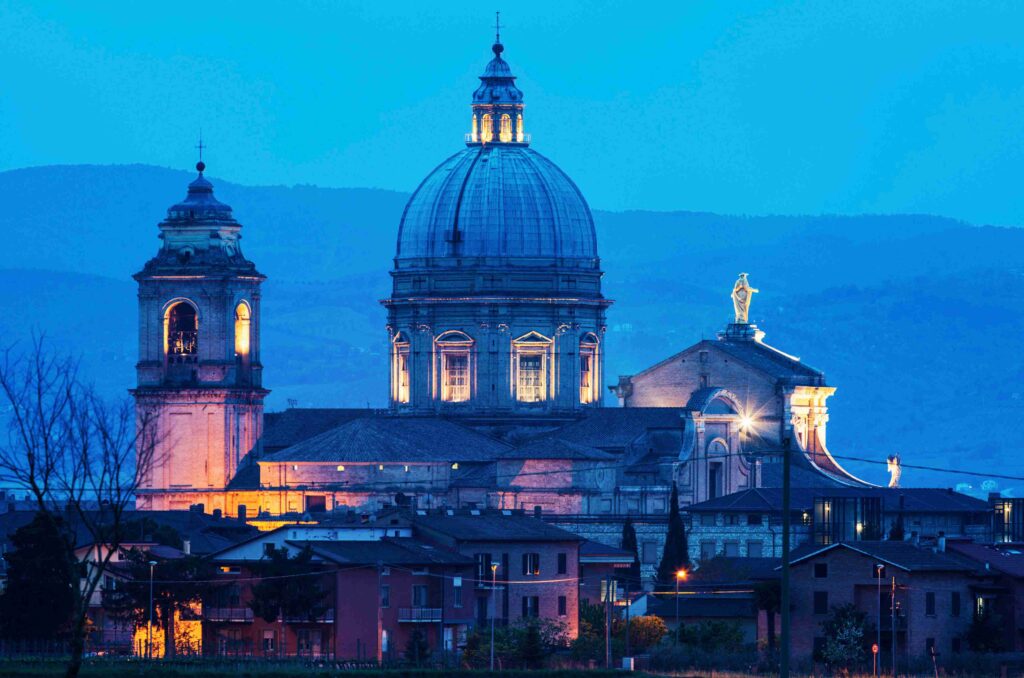
We stepped back into the daylight and boarded a small bus that would take us to the final two churches—San Damiano and the Basilica of Saint Mary of the Angels. It was the latter that opened something unexpected.
Lights in the Field: The Porziuncola and the Angels on the Saint Francis Walking Tour
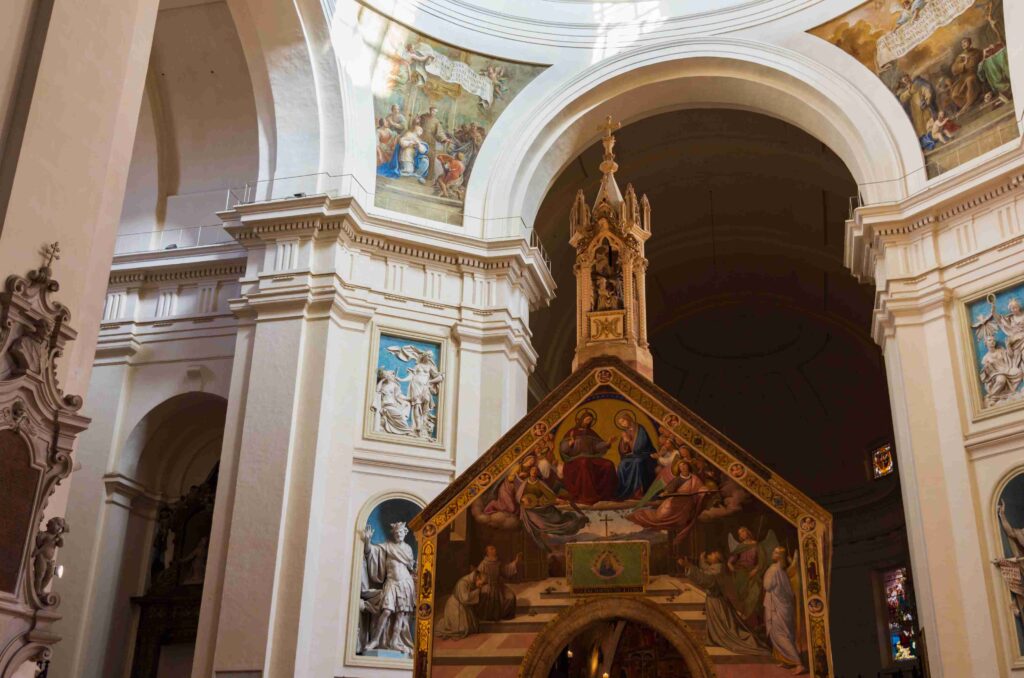
At the Basilica of Saint Mary of the Angels, a Franciscan friar named Anthony approached us. When I asked why this small chapel — the Porziuncola — was so important, he shrugged and said:
“Because the angels came and went from here. People in the town of Assisi saw the lights.”
He said it casually before shrugging his shoulders and offering, “Crazy, I know” then moved on to the traditional explanation of Christ guiding Francis to rebuild his church.
But his first answer stayed with me.
This fertile field, once tended by Benedictines, held a long history of luminous phenomena — the same kind of energetic activity I’ve witnessed in other sacred sites around the world. Francis wasn’t drawn here by chance. He was responding to a place already alive with presence.
Saint Francis Walking Tour — The Ring, the Temple, and the Saint
Returning to the Temple
Before leaving Assisi, I spent time at the Temple of Minerva. Its six Corinthian columns still standing from the first century BCE, long before Francis was born. The temple was the center of town in his lifetime. The place he would have known as a child, a young man, and later as a preacher. Thomas of Celano, Francis’s earliest biographer and a member of the first generation of his followers, noted that Francis admired the temple’s perfect proportions and remarkable preservation, seeing beauty in the structure even while it served as a secular civic building and prison. And that same recognition — the harmony of perfect proportion — echoed my initial encounter with the temple. Honestly, the sensation arrived whole, in an instant. The sense of a presence ancient and enduring, like a traveler who has witnessed centuries. I was simply struck silent.
The basilicas to Francis and Clare that now define Assisi’s skyline did not exist then. But the temple did. The waters beneath it did. The feminine presence endured.
The Book and the Older Lineage
A single book gifted to me by the hotel staff — Asisium by Enrico Sciamanna — opened a depth of study that continued long after I returned home. It confirmed what I had already sensed. Assisi’s sacredness long predates Christianity. Its roots lie in waters once gathered, offered, and revered two thousand years ago. That presence never left. The land itself holds a memory of the goddess.
The Ring and the Revelation
As we were driving away from Assisi, I learned the final piece that brought everything into focus. When Francis’s long‑lost remains were rediscovered in 1818 beneath the Basilica di San Francesco, several items were found in his tomb. These objects were placed there to identify him: six silver coins, beads, a piece of iron — and a carnelian ring. Engraved in carnelian was the image of the goddess Minerva Nikephoros.
Saint Francis was born in Assisi in 1181 or 1182. By then, the Temple of Minerva had already stood in the center of town for more than a thousand years. Its six Corinthian columns were the backdrop of his childhood and his preaching, long before the basilicas that now define Assisi existed.
During his lifetime, the temple was not a church to Mary. It had been repurposed for civic use, serving at different times as municipal offices, a tribunal court, and even a public jail. Yet the ancient façade remained, and the sacred ground beneath it endured.
Francis died in 1226. His remains were moved into the new basilica two years later, then hidden and lost for almost six hundred years.
The ring stopped me. Minerva Nikephoros — the Bringer of Victory — is a fusion of Minerva and Nike, and long before that, an aspect of Athena. Her presence had shaped Assisi for centuries before Francis was born.
Those who placed the ring with him understood its meaning. It linked Francis to his birthplace, to the ancient temple at the heart of Assisi, and to the feminine presence that shaped the land long before he walked it.
Francis was laid to rest with her.
And in my own way, I had been guided to her as well.
What Endures
In Assisi, the goddess is the enduring feminine presence carried by the waters, held by the land, and remembered through every name she has worn.
Continue the Journey
And so the journey continues — shaped by encounter, guided by presence, and carried forward by the same quiet intelligence I met in Assisi.
Four Aliens and a Funeral
A visionary memoir exploring perception, contact, and the subtle architecture that reshapes a life from the inside out — a companion for anyone navigating awakening, intuition, or the unexpected thresholds that call us forward.


Starseed Adventures
Journey with me through Türkiye’s ancient landscapes where myth, memory, and star converge. This adventure explores the concept of Deep Time, the presence felt at the world’s oldest known ceremonial sites, where human devotion, cosmic orientation, and the intelligence of place have shaped consciousness for millennia.
Explore Our Courses
Step into teachings shaped by lived experience, sacred travel, and the intelligence of place. These offerings help you deepen perception, strengthen intuition, and walk your own path with clarity and presence.
For those who joined me in Starseed Egypt Adventure, 2022 & 2024, you will recognize the current beneath these words. The class I’m linking to carries the deeper teachings we touched together — the water‑lineage, the wave‑geometry, and the ancient feminine memory that moved through the temples

Explore the Blog
Minerva: The Goddess, the Stargate and Assisi.
Highlight Gallery from Saint Francis Walking Tour, Assisi, 2019
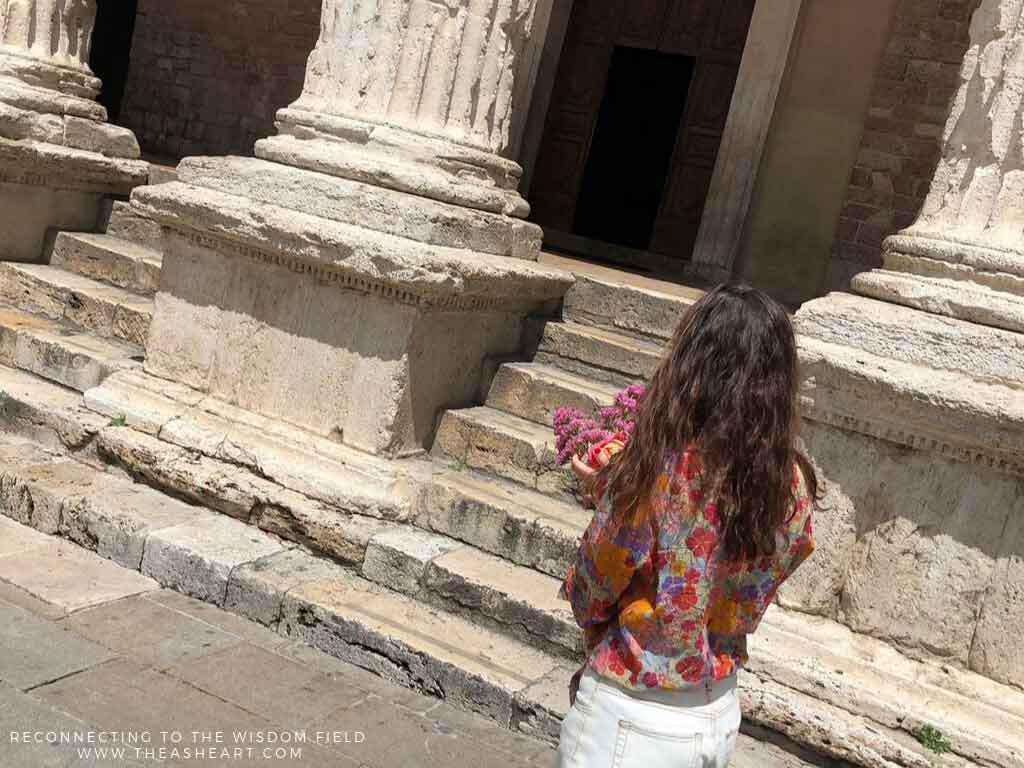 Althea Provost at the threshold of Assisi’s ancient heart — the Temple of Minerva, where feminine wisdom and sacred lineage converge.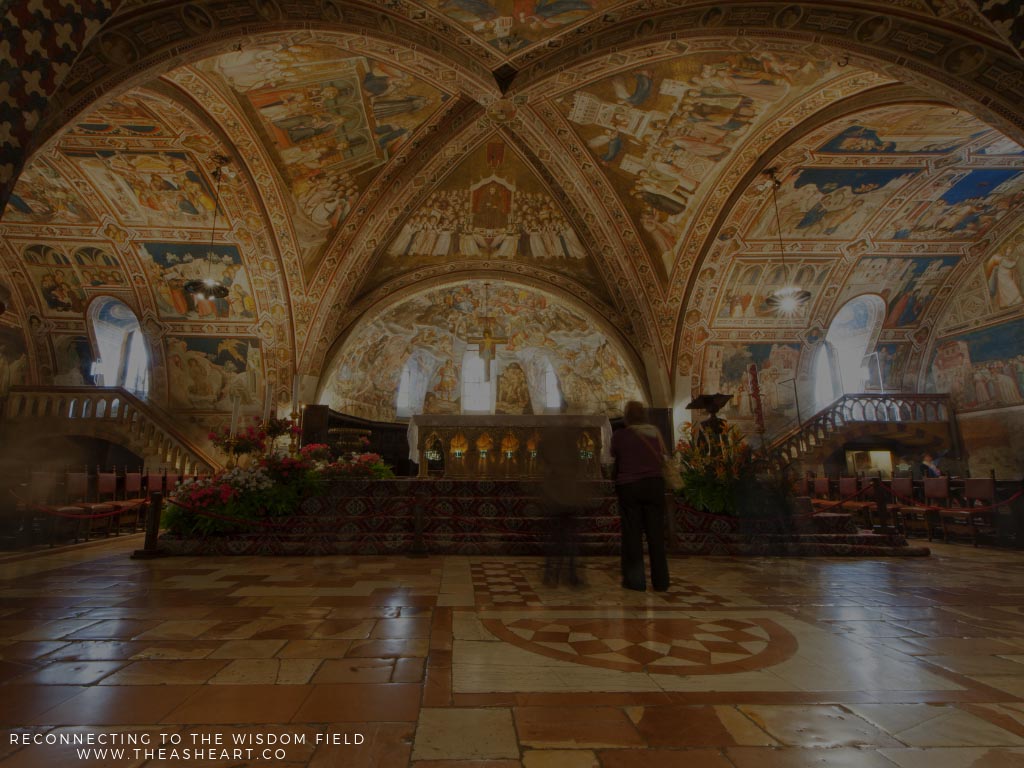
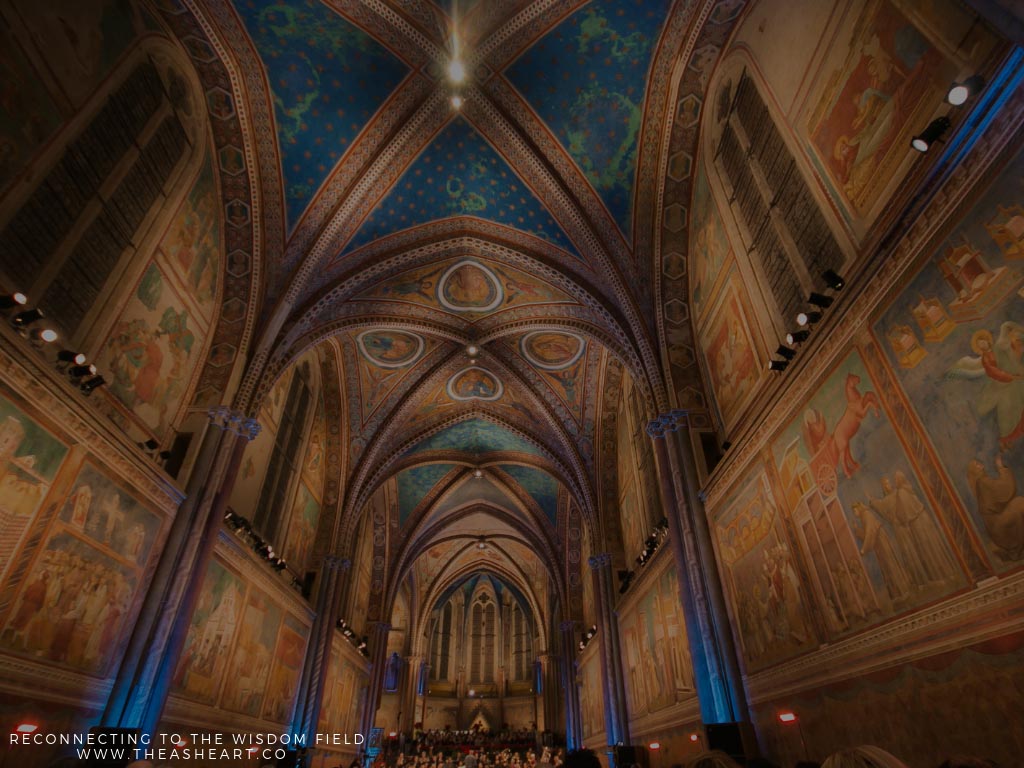
- The Basilica of Saint Francis of Assisi, a central stop on the Saint Francis Walking Tour.
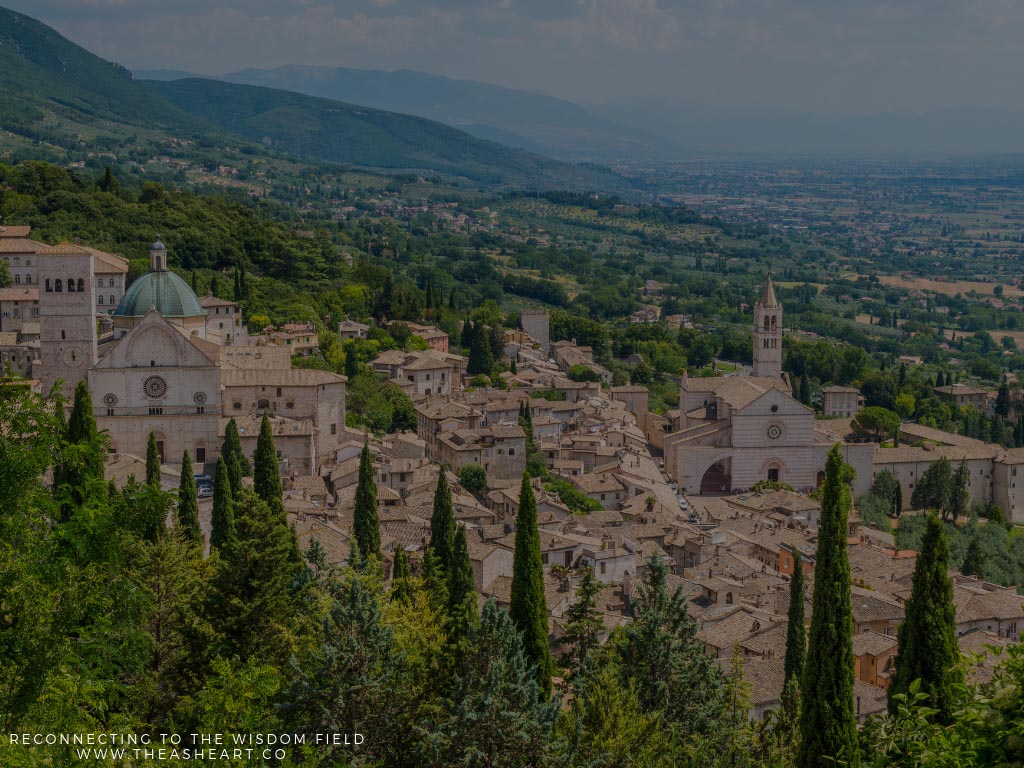
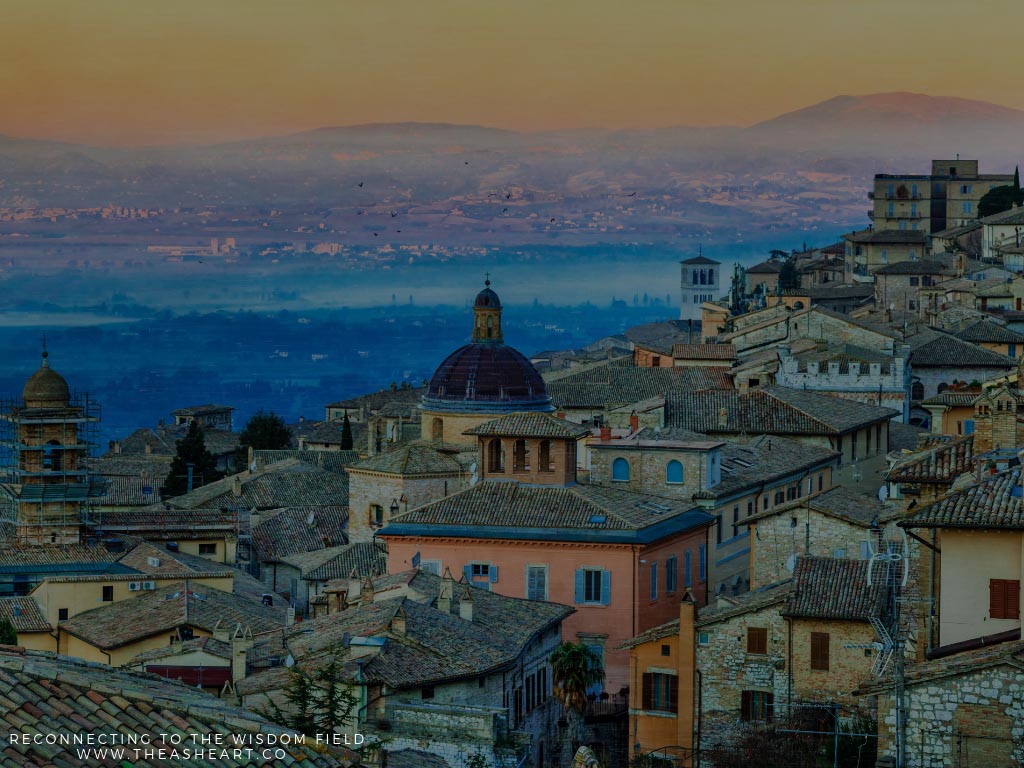
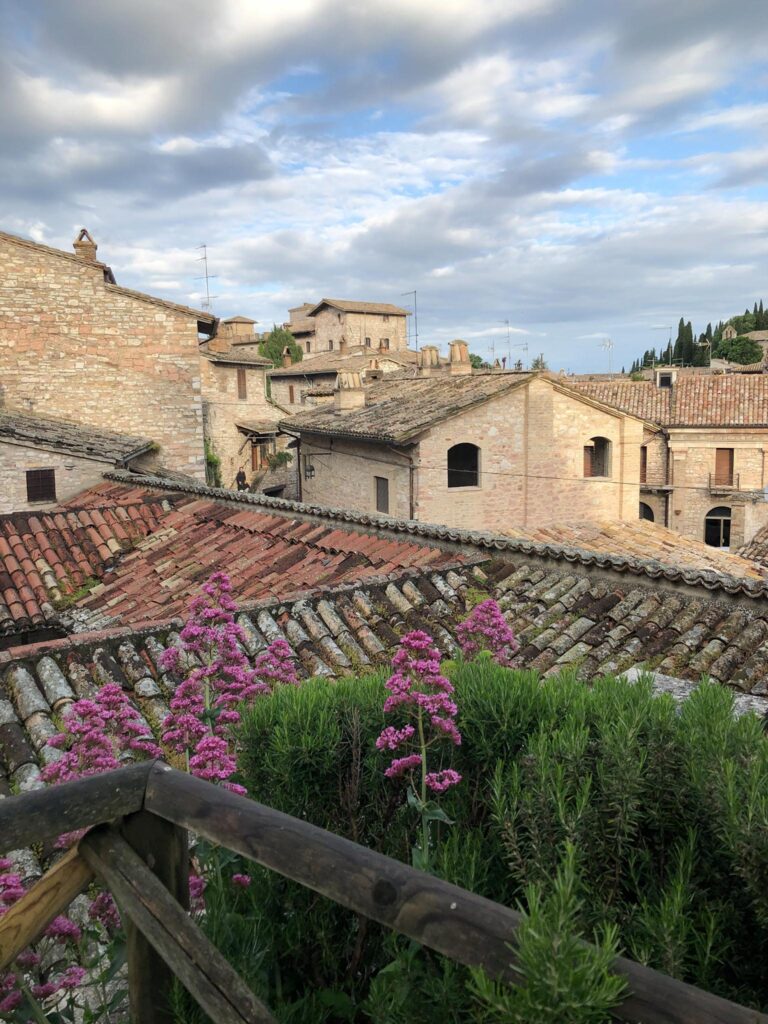
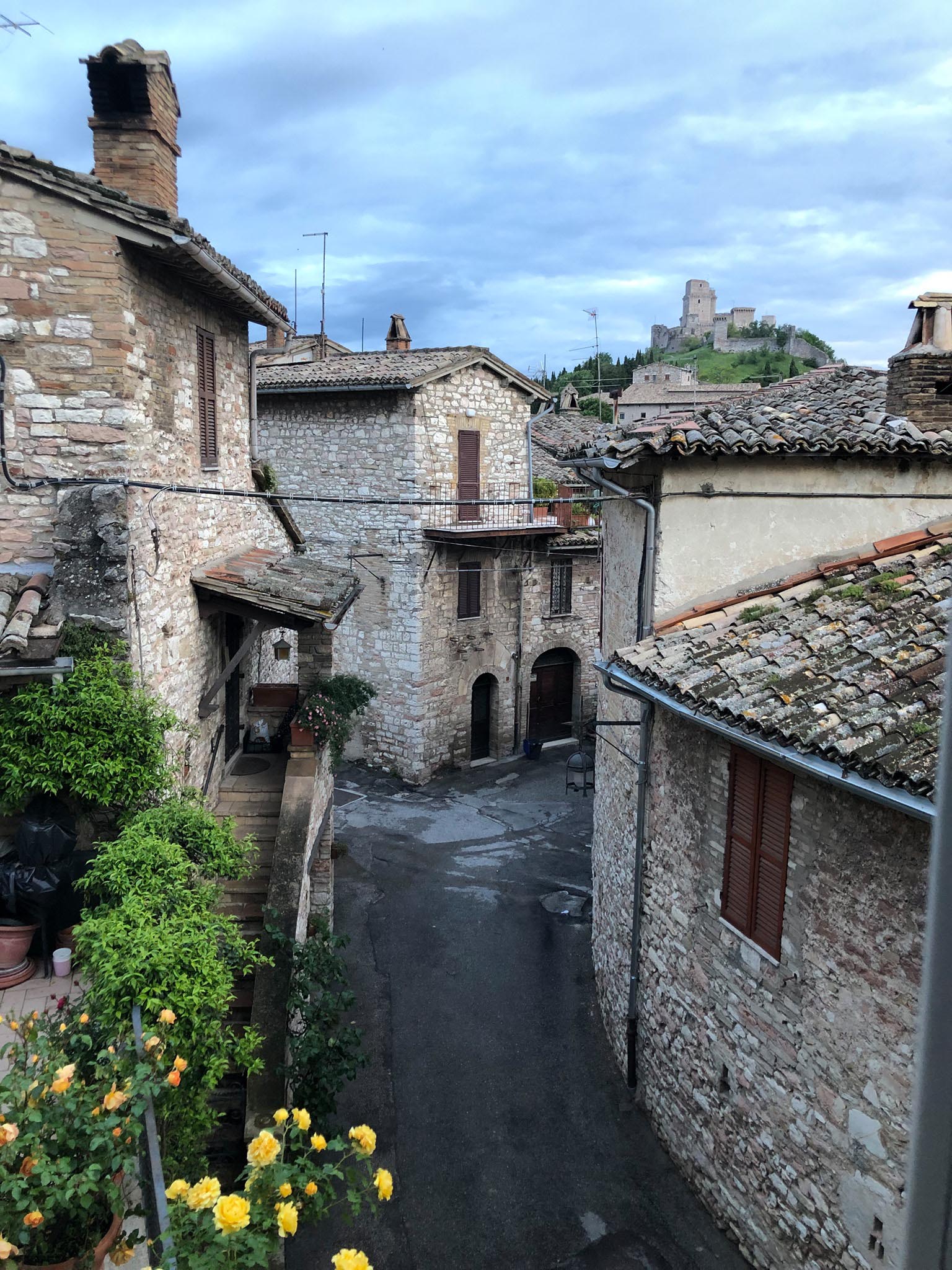
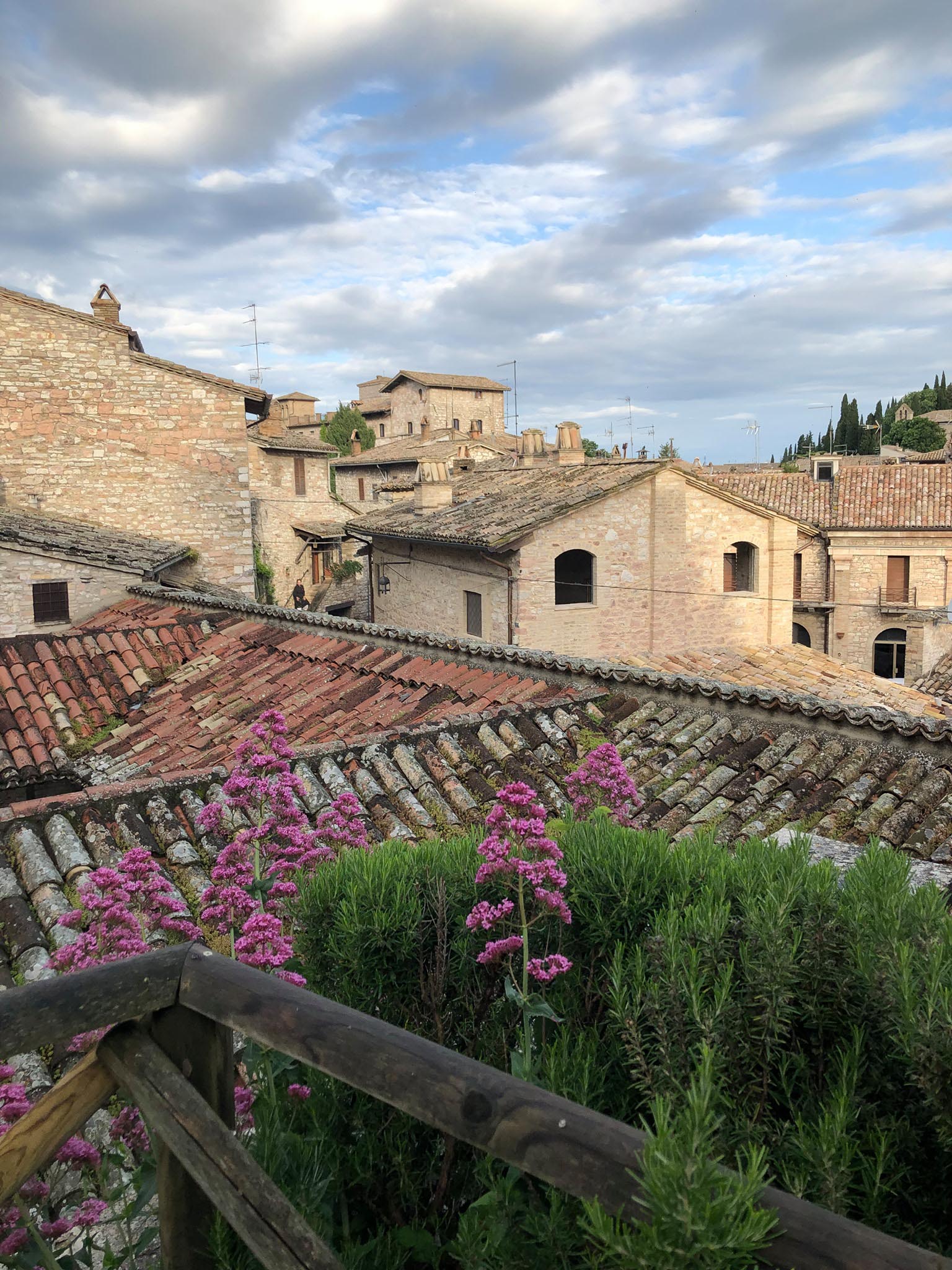
- Saint Francis Walking Tour — the view from Assisi’s upper streets, where medieval stone rooftops meet the wide Umbrian valley below.
- Althea Provost drinking from Assisi’s living waters — a reminder that the city’s springs and sources have shaped its sacred story for millennia.
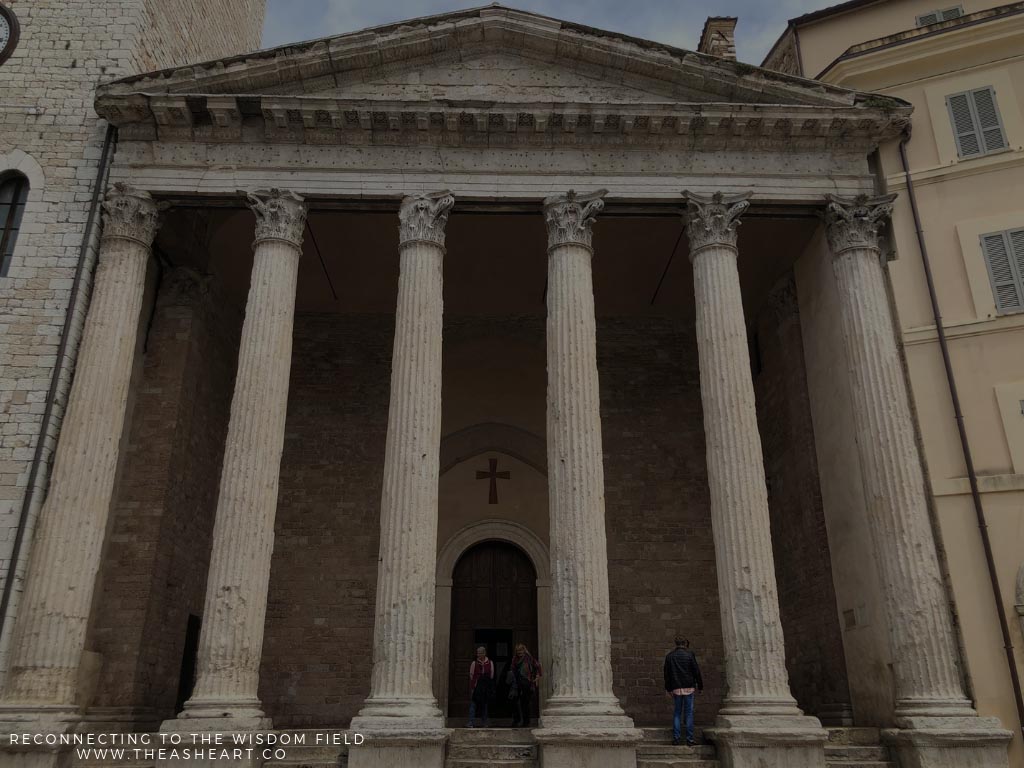
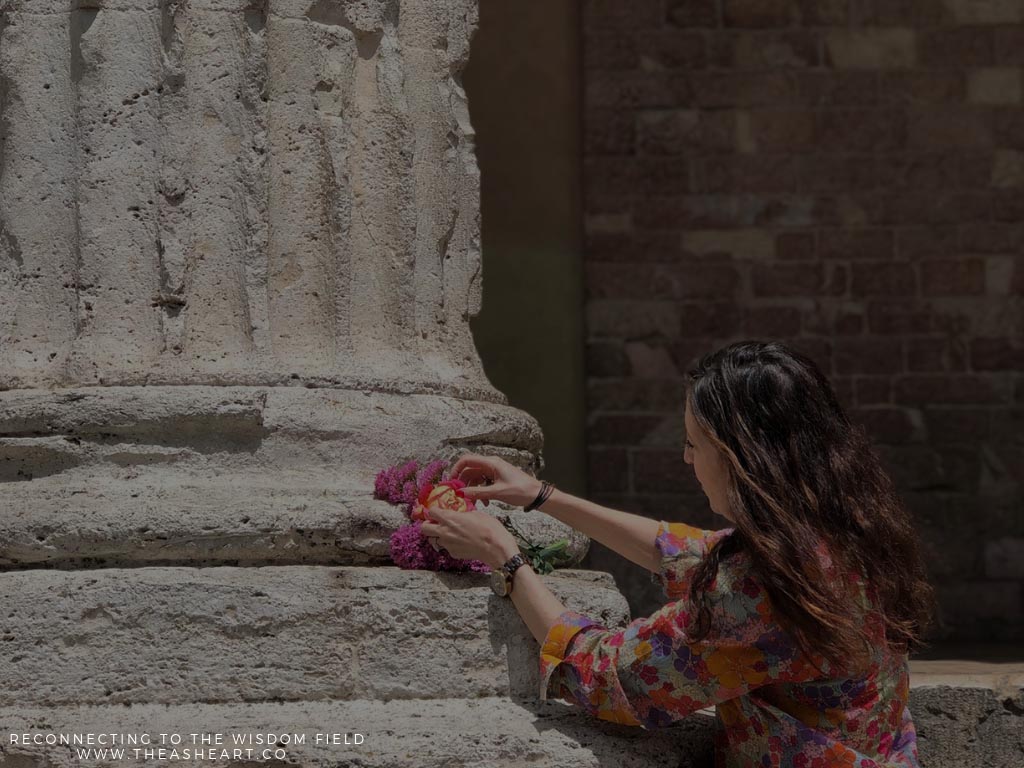 Althea Provost offering roses at the Corinthian columns — honoring the ancient feminine presence that still breathes through Assisi’s sacred center.
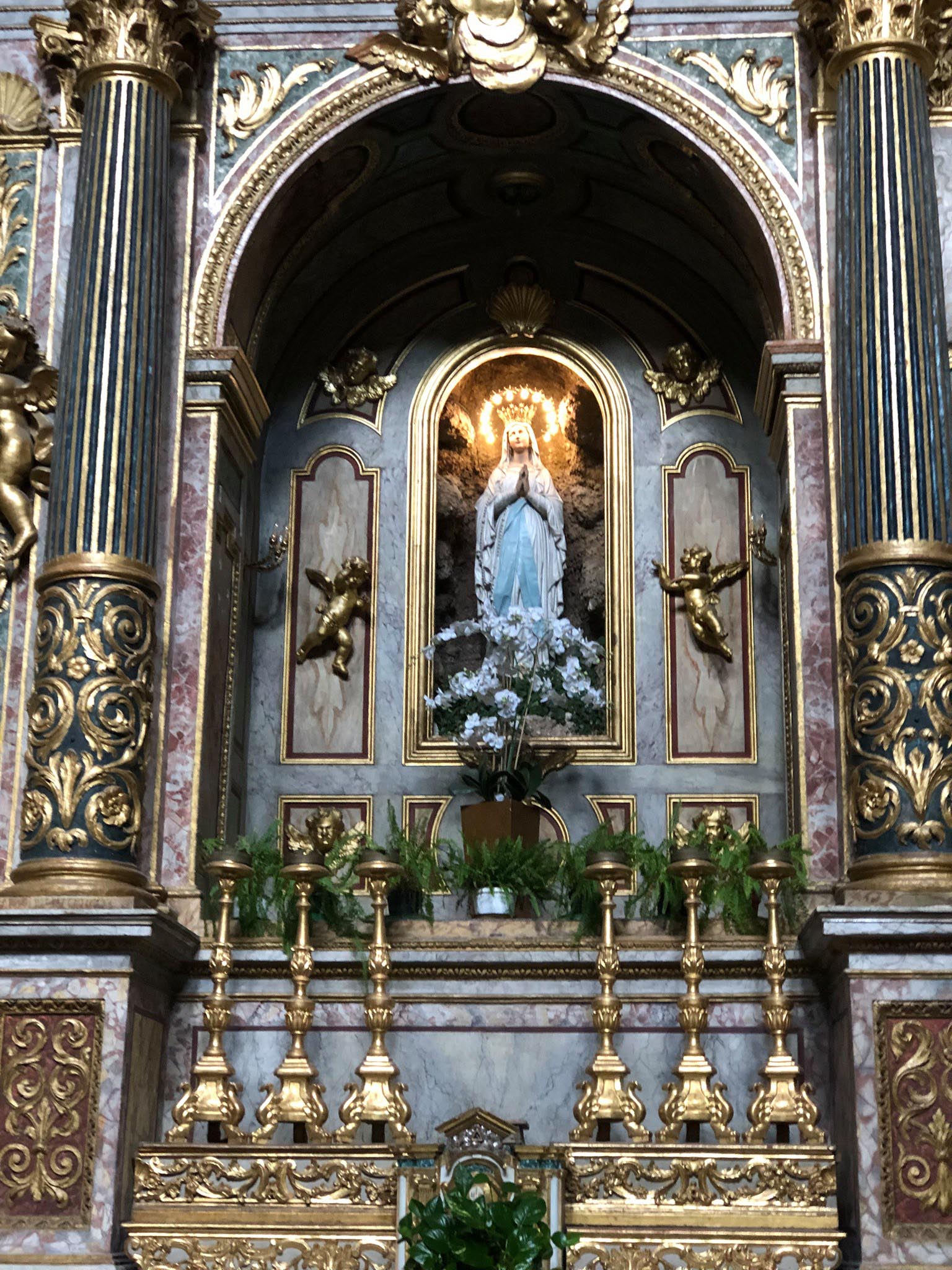
- Inside the former Temple of Minerva the Christian overlay reveals its own devotion while the ancient presence beneath still hums.
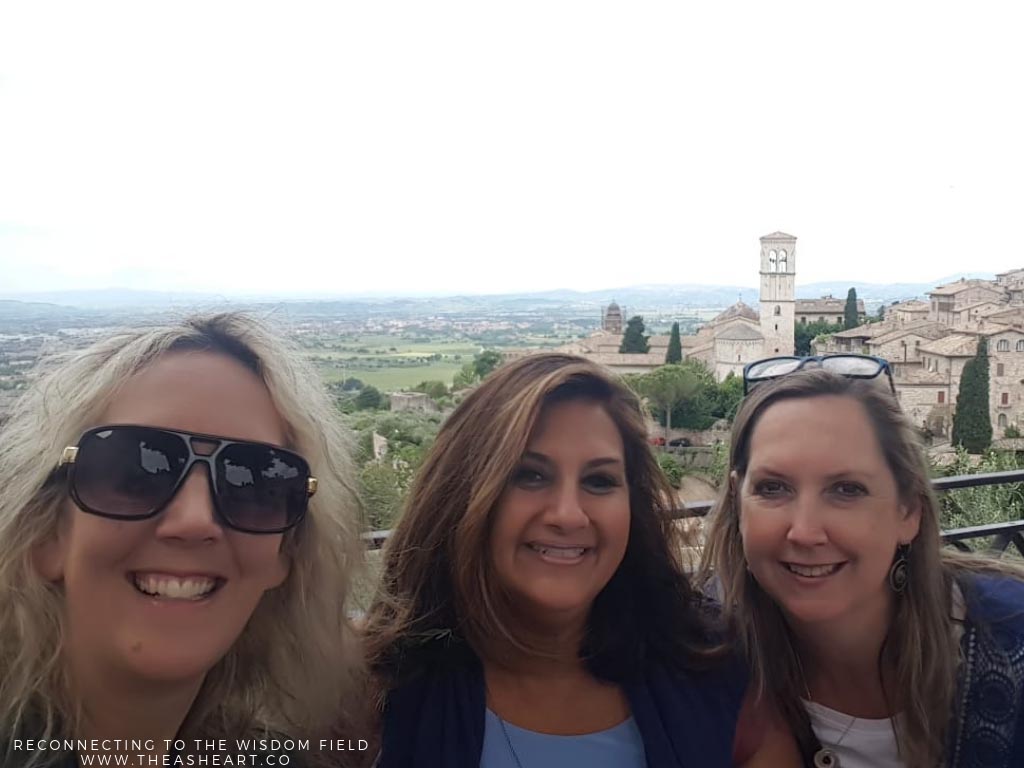
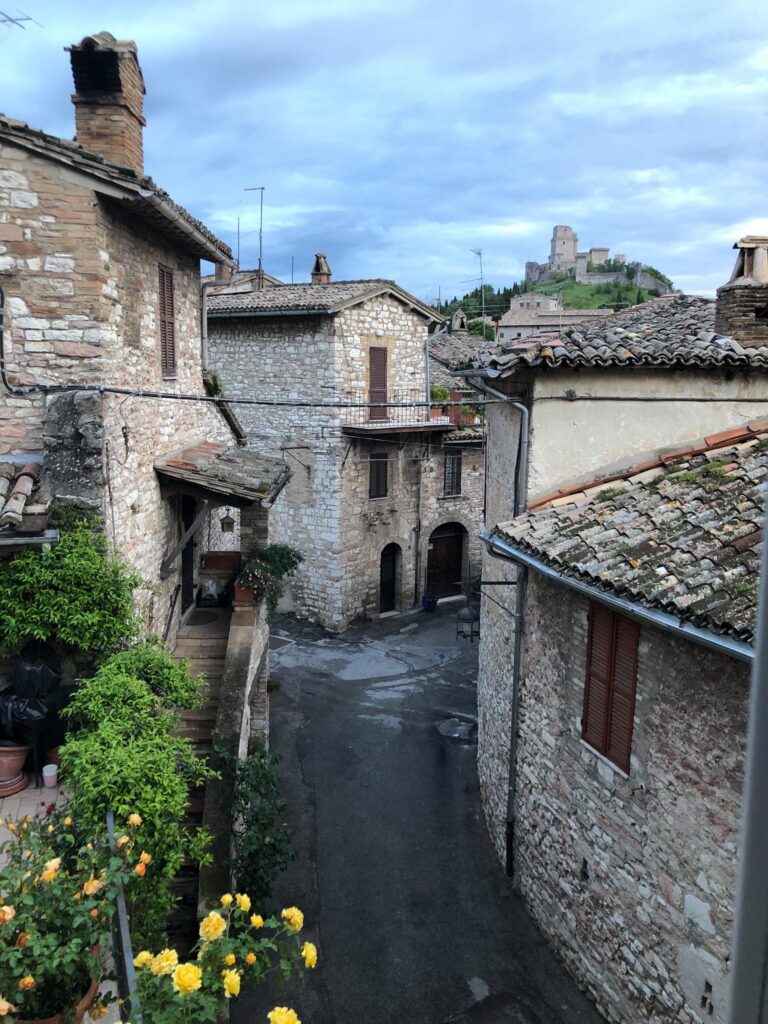
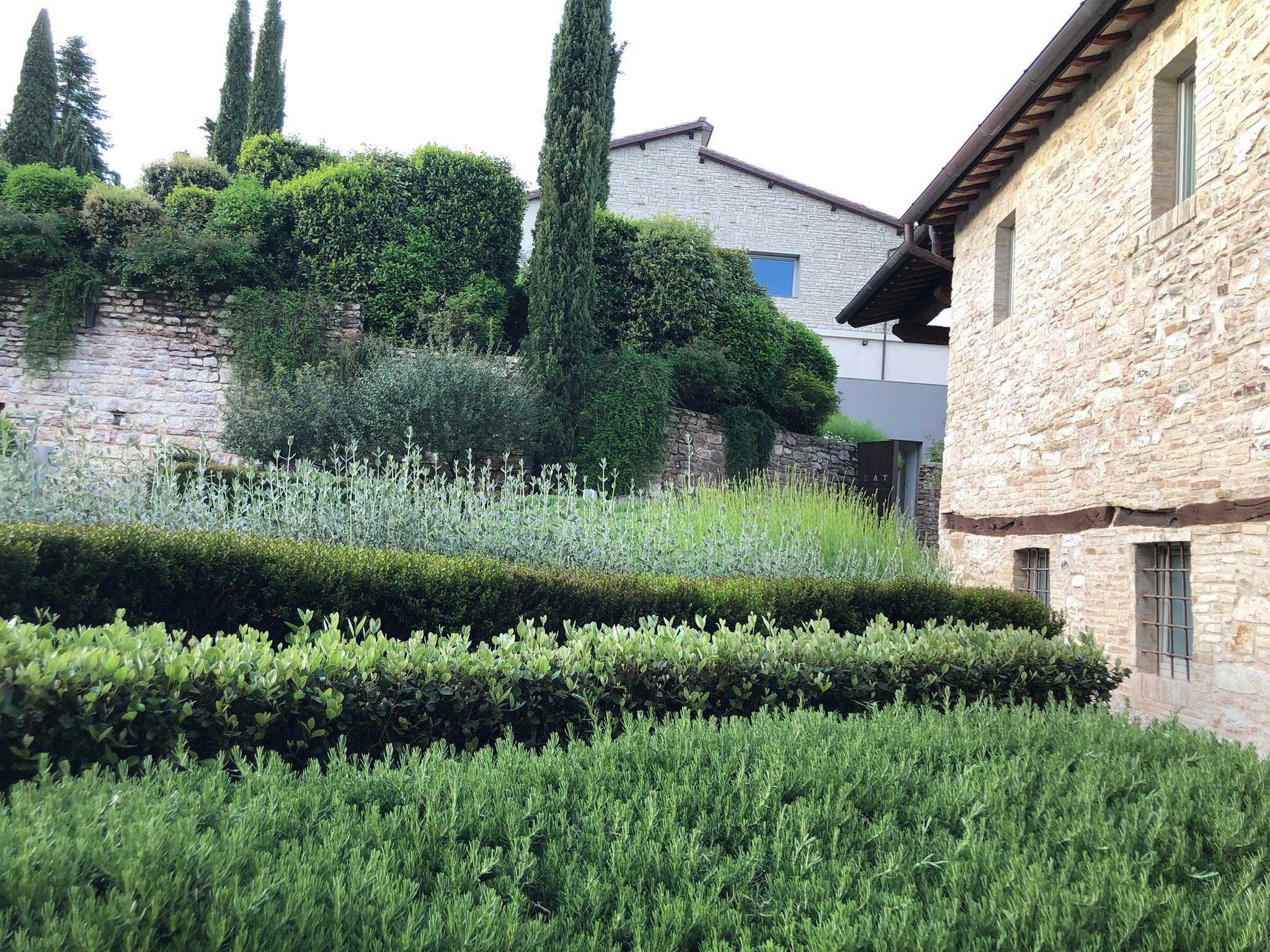
- The terraced gardens at Nun Assisi Relais and Spa Museum offer a quiet moment of stillness before stepping into the deeper layers of Assisi.
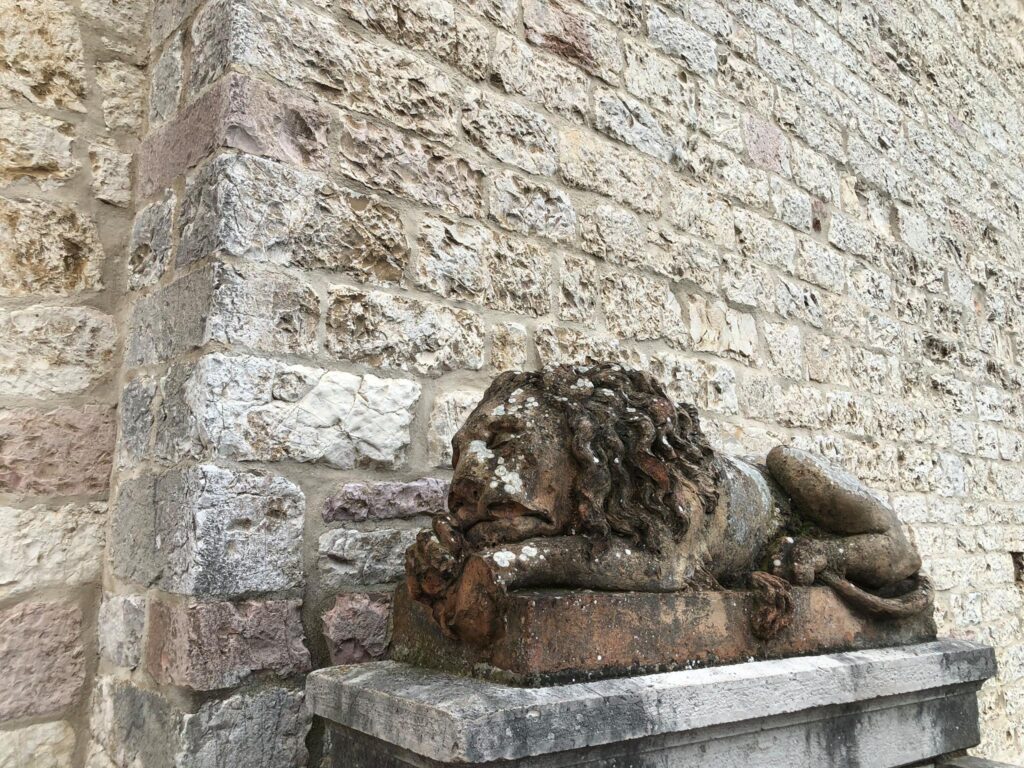
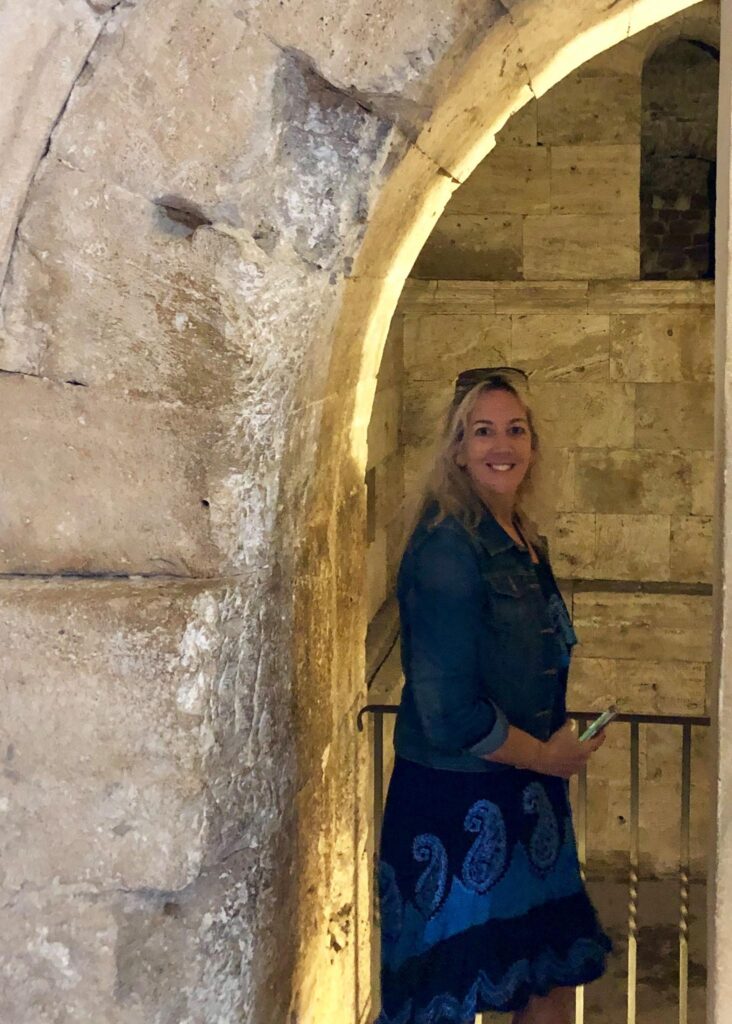
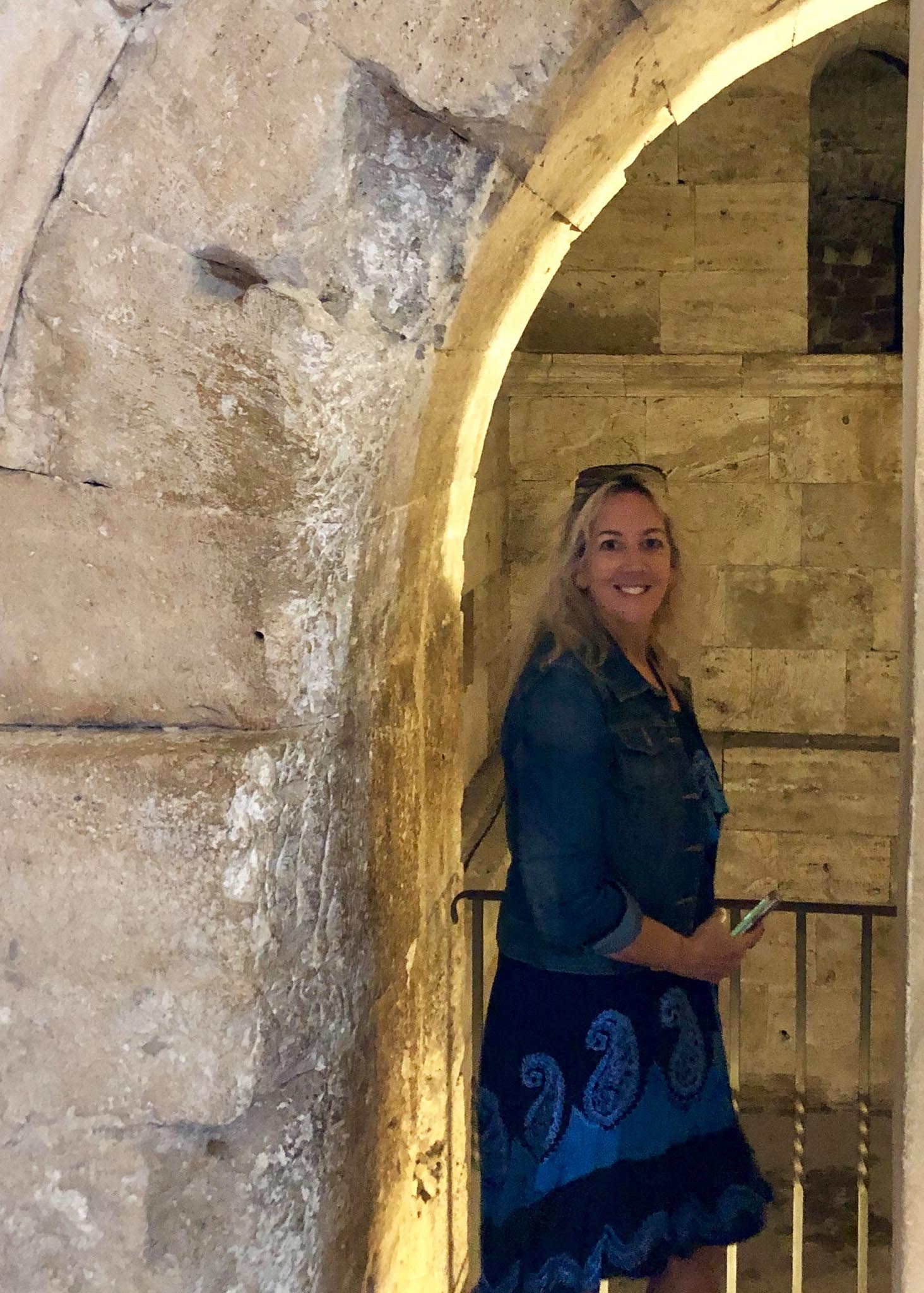
- Roman cisterns and foundations visible beneath San Rufino — one of the places where Assisi’s layered history is literally underfoot.
Stay Connected
Join our newsletter for priority access to Starseed Adventures, exclusive deals, classes, and more!