Minerva: The Goddess, the Stargate, and Assisi
In Minerva: The Goddess, the Stargate and Assisi, Althea Provost explores how an ancient feminine presence revealed itself in Assisi. This presence did not mirror her Stargate encounter described in Four Aliens and a Funeral, but it deepened the teaching she received there.
This post traces how Assisi’s land, waters, and history carried a feminine intelligence that expanded the compassion awakened during that Stargate experience. Through Saint Francis, Minerva Nikephoros, and the sacred geography of Assisi, Althea discovered how compassion becomes a frequency that moves across dimensions.
Contact and Compassion
The Star Gate Was the Initiation — Assisi Was the Integration.
The “Star Gate” chapter in my book describes a moment of profound contact: codes of light, a Merkabah forming, a Star Being stepping through a white diamond shaped portal, and a field of compassion so vast it dissolved the boundaries between us. That experience initiated me into a new way of perceiving reality.
But Assisi — quiet, ancient, sun‑washed Assisi — became the place where that perception rooted into the earth. I wasn’t floating in deep water surrounded by iridescent turquoise codes of light. I was walking on worn cobblestones, touching limestone walls, drinking from a spring hidden behind a fountain.
The message was the same. Compassion is not an emotion. It is a frequency. A way of seeing. A way of walking.

The “Star Gate” chapter in Four Aliens and a Funeral set me on a path to understand compassion. Assisi became the place where that learning deepened.


For readers who want the full story of my 2019 Saint Francis Walking Tour — the route, the sacred sites, and the lived experience of walking Assisi — you can explore that journey here:
When the Land Began to Speak.
The moment I arrived into Assisi, the land began speaking. The city revealed itself through stone, water, and memory.
Water moved beneath Assisi like a memory. A seashell embedded in a limestone wall recalled ancient seas. Roman foundations surfaced beneath churches. The feminine presence of the land guided my attention.
Assisi opened through stone. The Star Gate opened through light. Both revealed a threshold, but in different languages.
Minerva, the Temple at the Heart of Assisi
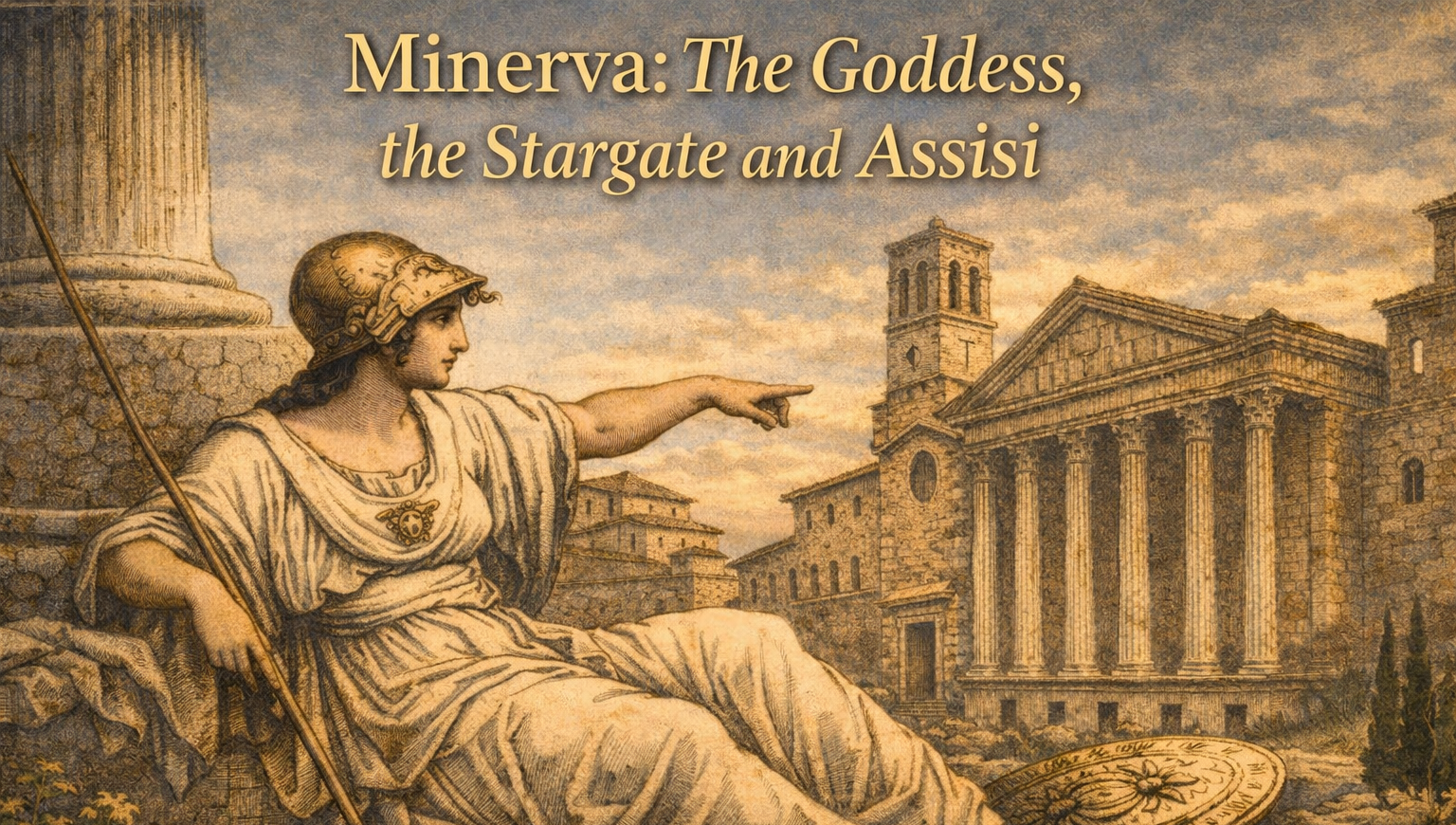
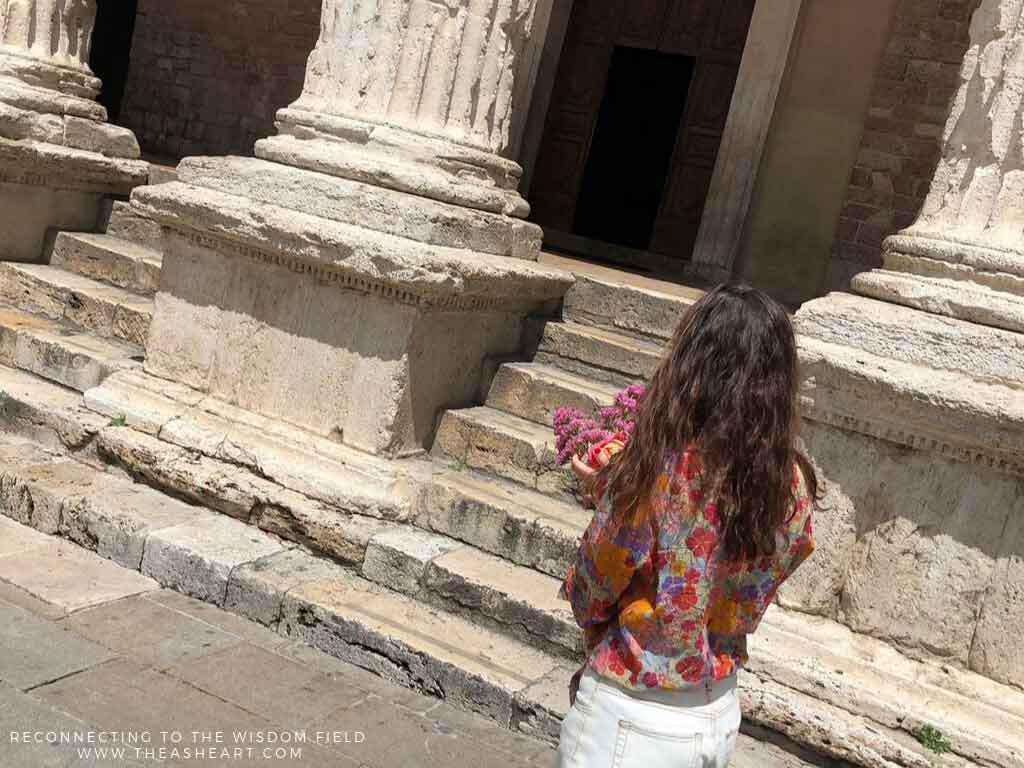
It was the invisible thread of water that guided me. Movement beneath the streets drew my attention toward the center of Assisi, as if the land were pointing to something older than the city itself. When I reached Piazza del Comune, I asked our guide about the goddess. She gestured toward the Temple of Minerva, where the original six Corinthian columns rose in quiet authority. Minerva was not an abstract idea. Her presence was held in stone and water, and her temple rested on Roman foundations that carried the memory of earlier sanctuaries. The land beneath Assisi had honored her long before Francis was born.
Behind the Fontana dei Tre Leoni, a spring flowed from the same ancient system I had sensed since arrival. I drank from a public fountain nearby, taking a long, deliberately slow intake. These waters once nourished the town center and were worshiped by the earliest inhabitants, the Etruscans who venerated their goddess in this sacred area. Some believe she was Menrva, the Etruscan goddess of wisdom and war. The landscape aligned. The feminine thread was not symbolic. It was geological, architectural, and ancestral. Assisi revealed a lineage running beneath the basilicas and medieval streets, a lineage shaped by Minerva and carried forward through the land itself.
Minerva, Francis, and the Carnelian Ring
The presence of Minerva in Assisi’s foundations created a context for understanding Francis in a new way. His life unfolded in a city shaped by her temple, her waters, and the long memory of the land. Centuries after his death, workers excavating beneath the Basilica di San Francesco uncovered a sealed chamber containing his remains. Among the objects placed with him was a carnelian ring engraved with Minerva Nikephoros. The detail stood out. Francis was born in Assisi in 1181 or 1182, long after the temple had shifted from sacred site to civic building, yet the ancient façade remained part of his daily landscape.
The ring suggested continuity rather than contrast. Those who buried Francis understood the lineage of the place. They placed him within the history of his birthplace, a history shaped by Minerva and carried forward through stone and water. The discovery linked the saint to the feminine intelligence beneath Assisi, not through symbolism, but through the physical objects that accompanied him into the earth. This connection also clarified my own experience. My Star Gate experience opened a perception of compassion as a frequency, and Assisi grounded that perception in a lineage that had been present for millennia. Compassion first emanated through the crystalline waters of Arkansas, and Assisi showed me its roots in a feminine lineage carried through the ancient waters beneath the land.
The Compassion Thread Across Dimensions
Minerva’s presence in Assisi revealed a lineage that held both intelligence and protection, a lineage that shaped the land long before Francis walked its streets. His life expressed compassion in a way that crossed boundaries of time and belief, and the discovery of the carnelian ring placed him within the deeper history of his birthplace. My Star Gate experience opened a perception of compassion as a frequency, and Assisi grounded that perception in the physical world through its ancient memory of the goddess that shaped its land.
The land, the waters, and the ancient memory carried by Minerva created a setting where compassion could be understood as something more than emotion. It became a movement that travels across dimensions, linking the cosmic with the earthly, the ancient with the present, and the personal with the universal.
Assisi offered a way to recognize that compassion is not only a virtue but a form of intelligence. It moves through places, through people, and through the unseen structures that shape experience. The city showed how a frequency can be held in stone, carried in water, and expressed through a life like Saint Francis. That understanding continues to unfold, reminding me that perception is not separate from place. It is shaped by the land beneath us and the histories that live within it.
About Minerva Nikephorus
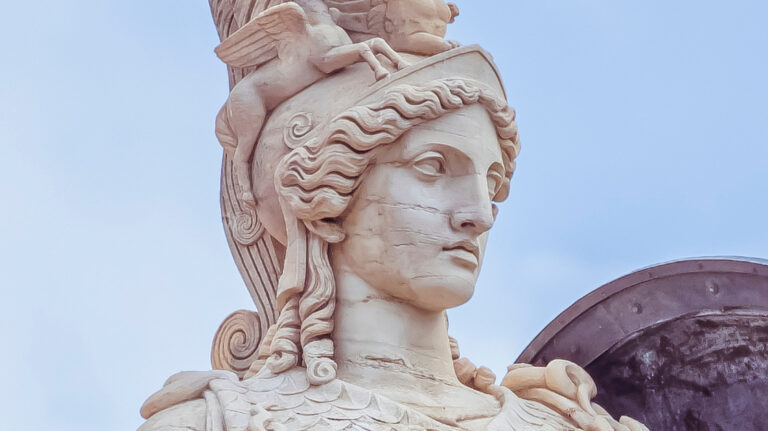
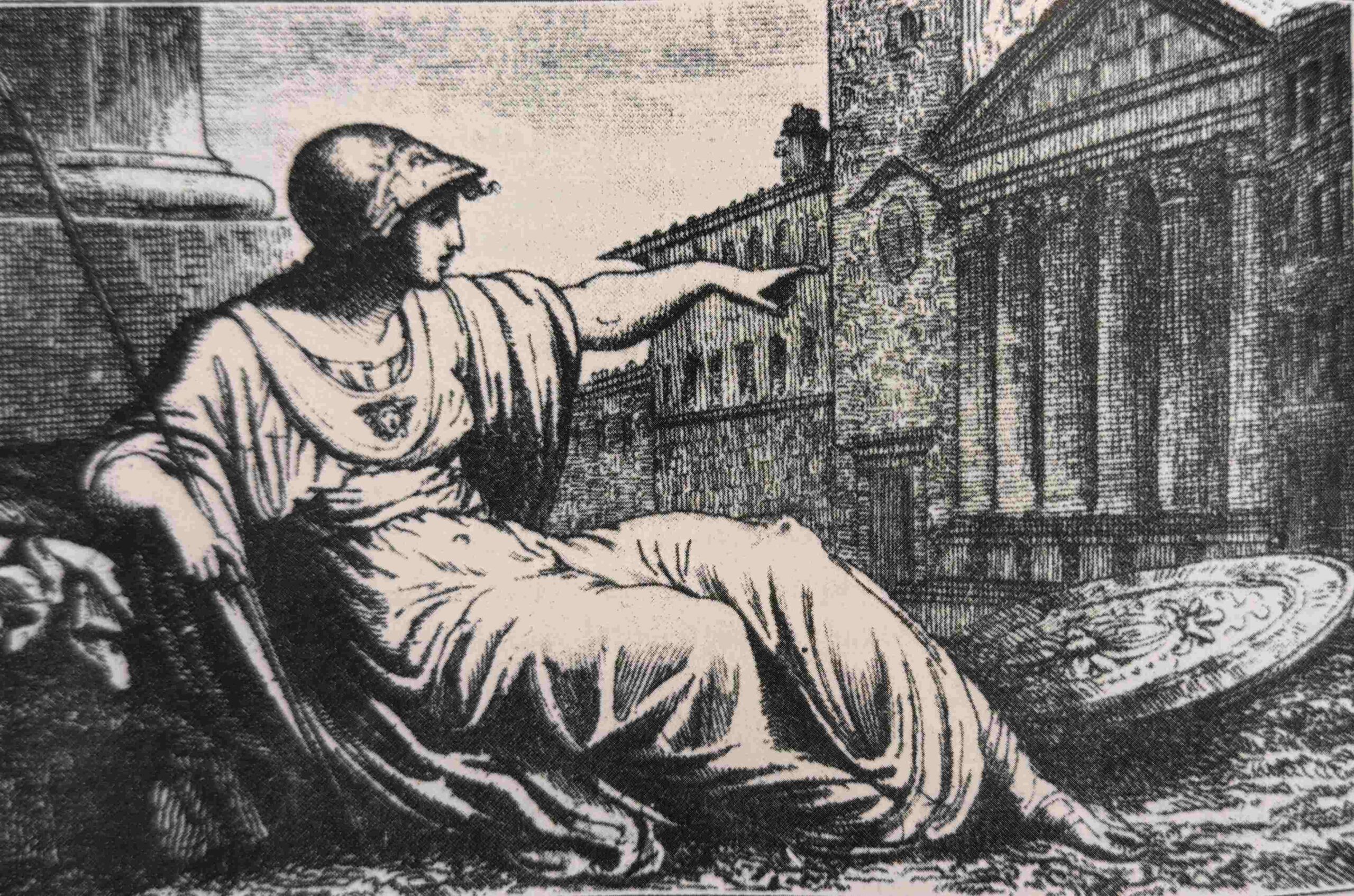
Minerva Nikephoros appears as the victorious form of Minerva, combining the Roman goddess of wisdom, strategy, and crafts with Nike, the Greek embodiment of victory. The epithet translates to “she who carries victory,” a title used in the Greek world for Athena long before Rome adopted her. In classical art, Athena Nikephoros is often shown holding Nike in her hand or accompanied by her, representing the union of intelligence and triumph. The carnelian ring found with Francis of Assisi carried this image, linking him to the ancient lineage of Assisi and to the sacred geography shaped by Minerva.
Assisum, the Roman name for Assisi, was once a gathering place where people bathed in and honored the thermal waters that flowed beneath the city. These waters were collected and worshipped more than two thousand years ago, forming part of the landscape that held Minerva’s presence long before the medieval period.
Step into sacred landscapes, ancient lineages, and sacred travel.
©Thea’s Heart® LLC, 2026 – All Rights Reserved.